What hole is this? Historic Routings and Hole Numbers!

Construction of the reservoir to stop flooding in the First Ward below changed the layout at Ely Park!

Construction of the reservoir to stop flooding in the First Ward below changed the layout at Ely Park!

What hole is this? Did you know some of the holes up at Ely Park had as many as six different numbers from earlier course routings.

Well, that depends! Most of it know it as No. 2, the downhill short par-3 with the shoe or hourglass shaped green.

But in the early days it was also known as Nos. 8, 9, 11 & even 18!

In fact seven holes were called six different numbers and the average different hole numbers for the current 18 holes at Ely Park is nearly five!

The ladies tee for the old reservoir hole can be seen west of No. 16 green.

The ladies tee for the old reservoir hole can be seen west of No. 16 green.

At one time there were two other holes that no longer exist, at least not in their entirety. They were modified when the reservoir was created to the right of what is now the 12th hole. One hole, No. 3 originally when the second nine was constructed and then No. 5 when an old Rockefeller summer home was converted into a clubhouse to the left of current No. 3 fairway. It was a long downhill 584-yard par 4 from the back tee (which was hidden in a chute in the trees behind current No. 12 tee. It was like the shape of an ‘L,’ about 200 yards to the South, then severely downhill to the right. The ladies tee, which was located on the outside of the dogleg right, making it a straight downhill hole, can still be seen west of the current No. 16 green.west.

Ladies' tee shot on the old reservoir hole. Trees have grown in where the fairway used to be.

Ladies’ tee shot on the old reservoir hole. Trees have grown in where the fairway used to be.

The other hole, No. 4, then 5, used to start next to that 3rd (or 5th) green, down where the reservoir is now. It was a par-5 that came straight uphill to the existing 13th green. The old No. 3 green (down in the reservoir) was hastily relocated to the current No. 12 green site. Net net, a long downhill dogleg right par-4 hole became a medium length (for Ely Park) downhill (albeit less) slightly dogleg right par-4 hole. A straight uphill par-5 became a relatively long uphill par-3 and Ely Park’s regulation par changed from 72 to 70. Current par-5 No. 14 used to be a par-4 and when back tees were added became a par-5 and par became the current 71.
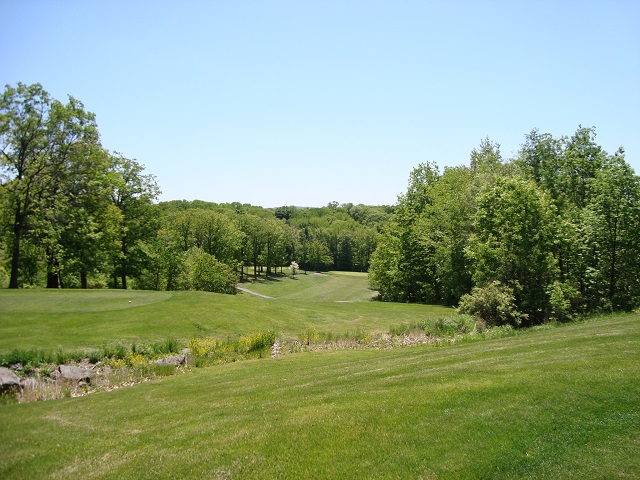
The dogleg right of the old reservoir hole can be seen as an indentation on the right side of the fairway about 150 yards out.

The dogleg right of the old reservoir hole can be seen as an indentation on the right side of the fairway about 150 yards out.

CLICK on the link below for the Excel File to learn more about the historic routings and hole numbers of Ely Park Municipal Golf Course since it opened up on Labor Day 1933. If you have a better memory or an old scorecard that is different than any of these routings please send the information to AndyReistetter@gmail.com. Thank You!
Ely Park Routing Hole Numbers

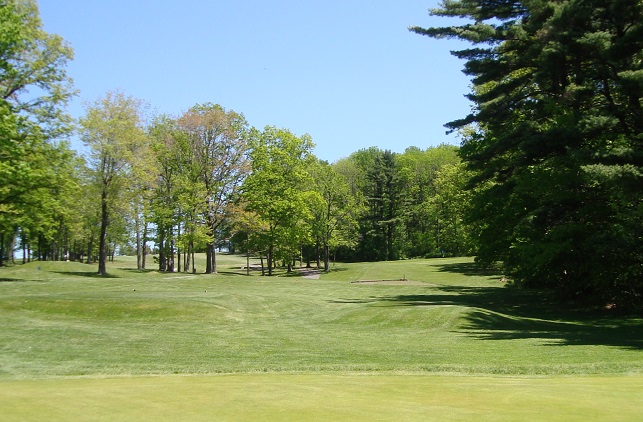
The green on the par-3 13th hole was the green for the old par-5 that came straight up from the reservoir hole.
The green on the par-3 13th hole was the green for the old par-5 that came straight up from the reservoir hole.
Stone Shack on No. 5 Tee is Rebuilt! (Sept. 2014)

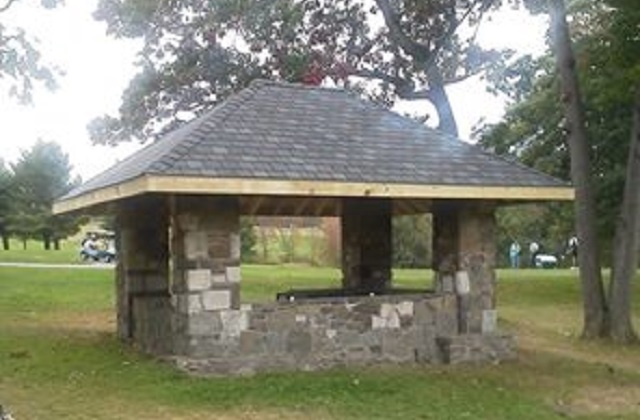
Stone Shack at Ely Park rebuilt in September 2014 by the City Parks Department.

Stone Shack at Ely Park rebuilt in September 2014 by the City Parks Department.

From Ray Linsky’s Facebook post on 9/28/14:

Any of you Binghamtonians remember the stone shack at Ely Park Golf Course? We in the Parks Dept.finished rebuilding the roof structure about 2 weeks ago. Put it back the way it was built. Tongue and groove decking,each support beam was removed and copied and replaced one at a time. I was the 1st to put my initials on it. Lots of room for more initials!

There were 3. One between 16 green and 12 tee,one by 5 and one by the old dam hole before they put the dam in.

Editor’s Note: This one is left of current 5 Tee and right of 18 Fairway.

Did you know some of the holes up at Ely Park had as many as six different numbers from earlier course routings. In fact seven holes were called six different numbers and the average different hole numbers for the current 18 holes at Ely Park is nearly five!

CLICK here to learn more and share more if you have a better memory or an old scorecard that is different than any of these routings!


Spanning Time: “Mount Prospect Mountain’s Name, Face have Changed” by Gerald R. Smith

Spanning Time: Mountain’s Name, Face have Changed by Gerald R. Smith

By Gerald R. Smith

Published July 24. 2014 (PressConnects.com)

ALL CREDIT for Article below to Gerald R. Smith and PressConnects.com

ALL CREDIT for Pictures to the Broome County Historical Society

Story Highlights:

Prospect Mountain has been known as Mt. Prospect since the 1780s

In the 1800s, Dr. O.V. Thayer developed a resort atop the mountain using the natural spring waters.

By the early 1960s, homes were demolished or moved to make way for Route 17.

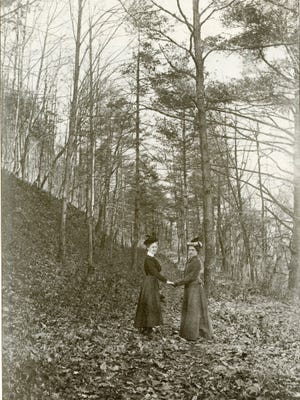
Hikers ascend Mt. Prospect in 1899. Photo Credit: Broome County Historical Society

Hikers ascend Mt. Prospect in 1899.
Photo Credit: Broome County Historical Society

While traveling a midst all the road construction around Kamikaze Curve, I had time to ponder the excavation of the rock and gravel that the crews were sculpting away to make room for the new roadway. I also had time to wonder about the history of that area and how it seems to have been recently renamed.

Since the 1780s, that spot has been known as Mt. Prospect. Only with the Department of Transportation project along the Route 17-Interstate 81 connection has it been called Prospect Mountain. It was the first settlers after the end of the American Revolution who arrived and made their way to the top of the hill to cast their eyes upon the vista of the valley below that one of them called it Mt. Prospect — much like our own airport sits upon Mt. Ettrick.

Despite the current misnaming of the mountain, it holds a long and interesting history. One of the first schools in Broome County, dating from the late 1790s, was held at the base of the hill in an area near the former McCormick’s Paint Store. While Prospect Street became an early connector between Binghamton and points west, it was the spring water that provided the source for much of the interest in Mt. Prospect.

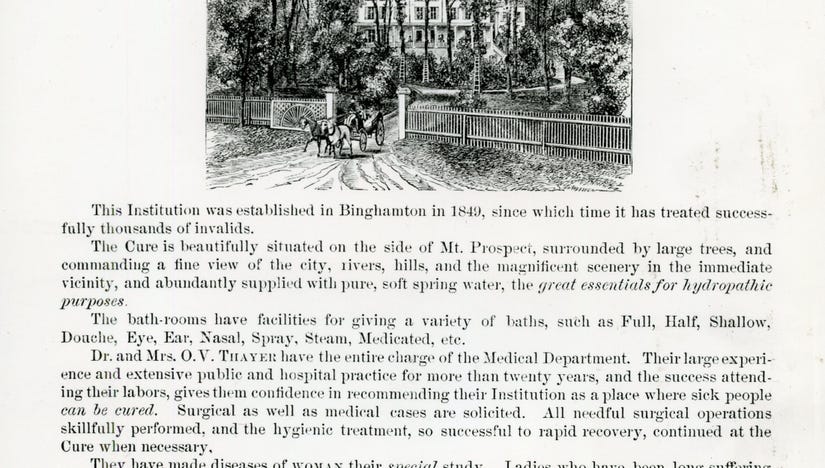
Binghamton Water Cure, c. 1860. Broome County Historical Society

Binghamton Water Cure, c. 1860.
Photo Credit: Broome County Historical Society

By 1849, Dr. O.V. Thayer seized upon his plan to develop a resort atop the mountain using the natural spring waters for a curative effect. This was the era of Saratoga Springs, Ballston Spa and other areas, and we were not to be outdone. Thayer built a hotel with baths for his Binghamton Water Cure. It seemed like a great idea, but it never caught on in this area as it did elsewhere.


Text from the Binghamton Water Cure picture added here:

“This Institution was established in Binghamton in 1849, since which time it has treated successfully thousands of invalids. The Cure is beautifully situated on the side of Mt. Prospect, surrounded by large trees, and commanding a fine view of the city, rivers, hills and the magnificent scenery in the immediate vicinity, and abundantly supplied with pure, soft spring water, the great essentials for hydropathic purposes.

The bath-rooms have facilities for giving a wide variety of baths, such as Full, Half, Shallow, Douche, Eye, Ear, Nasal, Spray, Steam, Medicated, etc.

Dr. and Mrs. O.V. THAYER have the entire charge of the Medical Department. Their large experience and extensive public and hospital practice for more than twenty years, and the success attending their labors, gives them confidence recommending their Institution as a place where sick people can be cured. Surgical as well as medical cases are solicited. All needed surgical operations skillfully performed, and the hygiene treatment, so successful to rapid recovery, continued at the Cure when necessary.”

Back to Gerald R. Smith’s article:

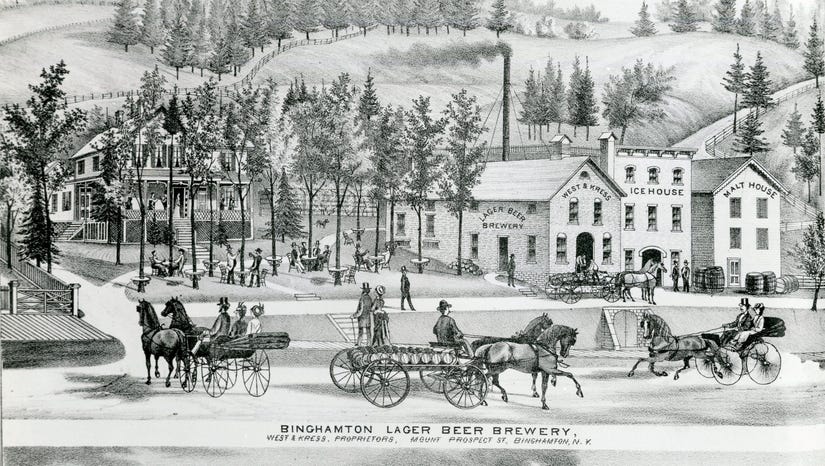
Binghamton Lager Beer Brewery. Photo Credit: Broome County Historical Society.

This 1866 engraving shows the Binghamton Lager Beer Brewery. Photo Credit: Broome County Historical Society.

Shortly after the Civil War, the curative spring movement basically dried up and the area was converted into the Binghamton Lager Beer Brewery — one of several breweries that would last until Prohibition in the early 20th century. An 1866 engraving shows a highly romanticized view of a multiple building complex that smartly used the spring water for their products.

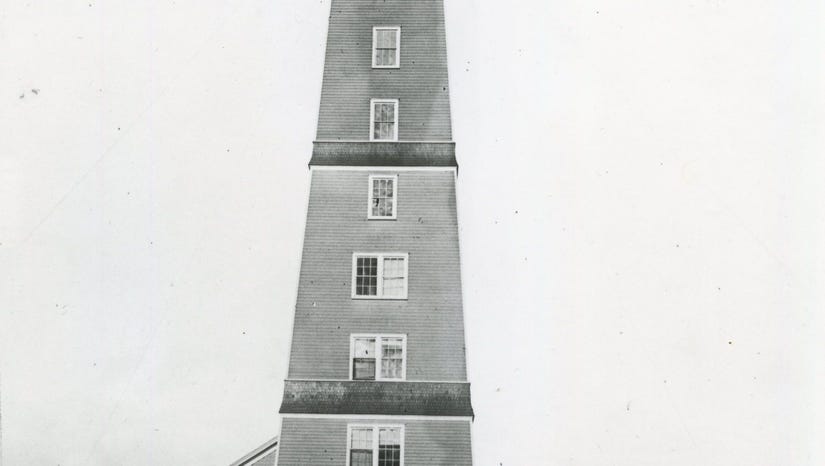
S. Mills Ely was a wholesale grocer who thrived in business in Binghamton. His stately home on the corner of Henry and Chenango streets would be greatly changed to become home to the Morning Sun newspaper (See NOTE No. 1 below). He purchased a large tract of land atop Mt. Prospect to build a summer home. He had lumber taken from a failed fundamentalist tabernacle (See NOTE No. 2 below). and had it reconstructed as Ely Tower which overlooked the entire river valley.

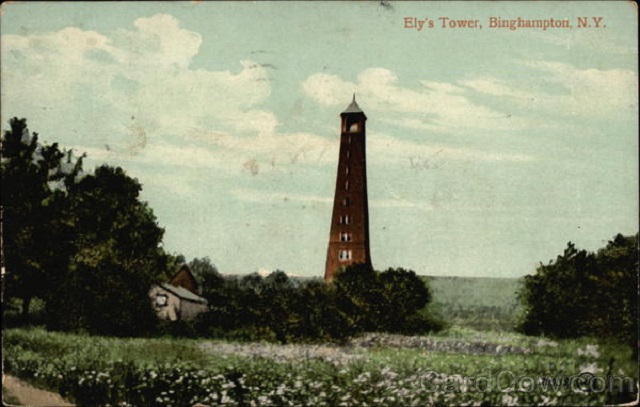
Ely Tower is shown in 1907.

Ely Tower is shown in 1907.

In 1907 and in declining health, Ely donated that tract of land to the City of Binghamton to be used for a park. For two years, the tower was a popular spot for residents to visit (See NOTE No. 3 below). In 1909, a windstorm took the tower to the ground, and the park would later be re-purposed for the Ely Park Golf Course.

Even before Ely gave the land for a public park, people would hike the pathways for outings atop Mt. Prospect. Picnickers, hikers and artists clambered to the top to rest, eat and use the magnificent views for inspiration. First Ward residents long remember the many steps through a concrete gateway to Ely Park as they lumbered up the hillside. But by the beginning of the 20th century, those days of ease were already numbered.

View from Mt. Prospect of Stow Flats in 1902. Photo Credit: Noyes Collection, Broome County Historical Society

View from Mt. Prospect of Stow Flats in 1902. Photo Credit: Noyes Collection, Broome County Historical Society

By the 1950s, plans were set in motion to modernize our transportation. The era of the interstate highway ended much of that mountain’s history (See NOTE No. 4 below). The hill became the site for the reconstruction of Route 17, which for decades has meandered along the valley. By the early 1960s, homes were being demolished or moved to make way for the improved roadway.

The stairs to Ely Park were destroyed, and the former park was converted to be used solely as the golf course (See NOTE No. 5 below). Within a handful of years, the new moniker of Kamikaze Curve stuck as the number of accidents in that area quickly mounted. Today, you can call it Mt. Prospect, Prospect Mountain or Kamikaze Curve — but whatever it is called, that hill has led an ascendant role in our history.

ALL CREDIT for above Article to Gerald R. Smith and PressConnects.com

ALL CREDIT for Pictures to the Broome County Historical Society

NOTES respectfully submitted by Andy Reistetter:

NOTE No. 1:   Per current Broome County Historian Roger Luther the home of S. Mills Ely was located at 85 Henry Street across from Carroll Street; currently where stands the new Post Office.

NOTE No. 2:   “From a failed fundamentalist tabernacle,” is inaccurate. Per Tom Cawley’s Article entitled: “One Man’s Outlook: Ely Tower Symbol of Faith,” the Evangelist B. Fay Mills ‘tabernacle’ on Water Street was a hall that was built to be temporary.

“Mr. Ely was a very religious citizem. At the turn of the century, there was an Evangelist he admired a great deal, B. Fay Ely. There was built on Water Street a temporary hall, where Evangelist Ely preached nightly. Importer Ely attended with fervor, and when the series of sermons ended, he didn’t want to lose the building, even though it had to be torn down. So he bought the lumber and had it transformed into a tower…”

NOTE No. 3:   The Ely Tower was a popular spot for residents to visit since its erection in 1893. in the article “Ely Tower Demolished” it was stated: “It was erected in 1893 by S. Mills Ely from the lumber which he bid off at auction which had been used in the great temporary building in which the B. Fay Mills evangelistic meetings were held in that city in 1892. The tower was put up as a memorial to these meetings and thousands of people ascended it each year to get the view.”

NOTE No. 4:  The history of Mount Prospect continues to this day as people grow up there, learn to play golf, and make their contributions to society throughout the world…

NOTE No. 5:   I believe that the land donated by S. Mills Ely exceeded what is currently used for Ely Park Golf Course and includes parkland for picnics and a tennis/basketball in addition to wooded areas being retained in their natural state.

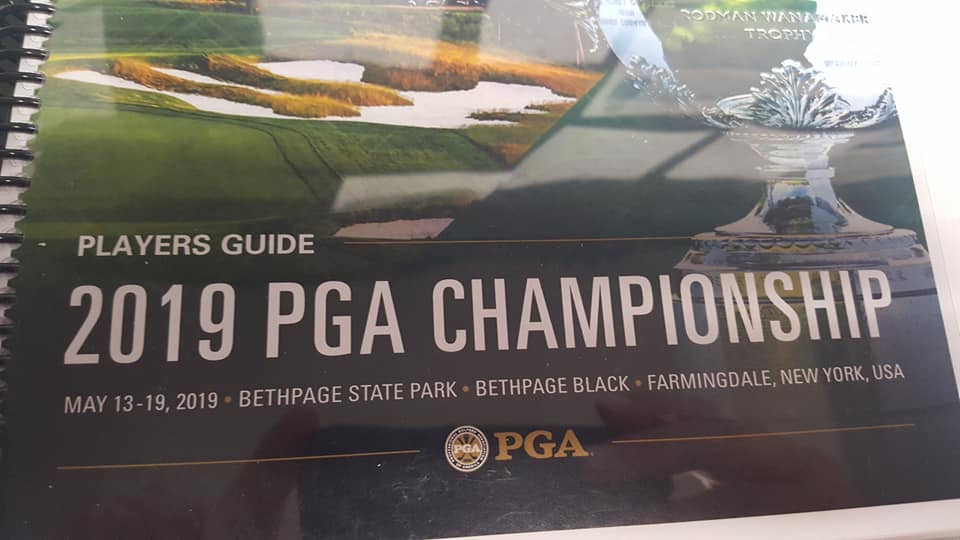
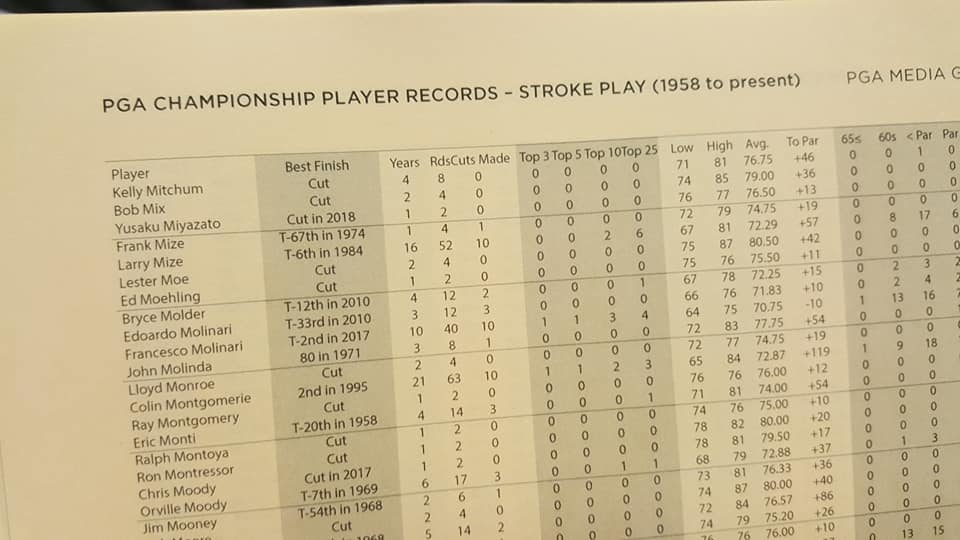
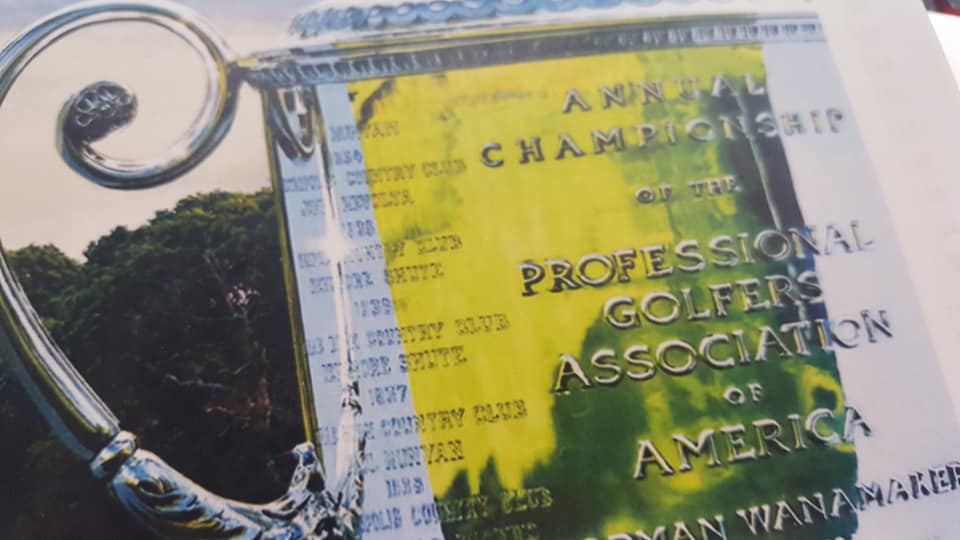
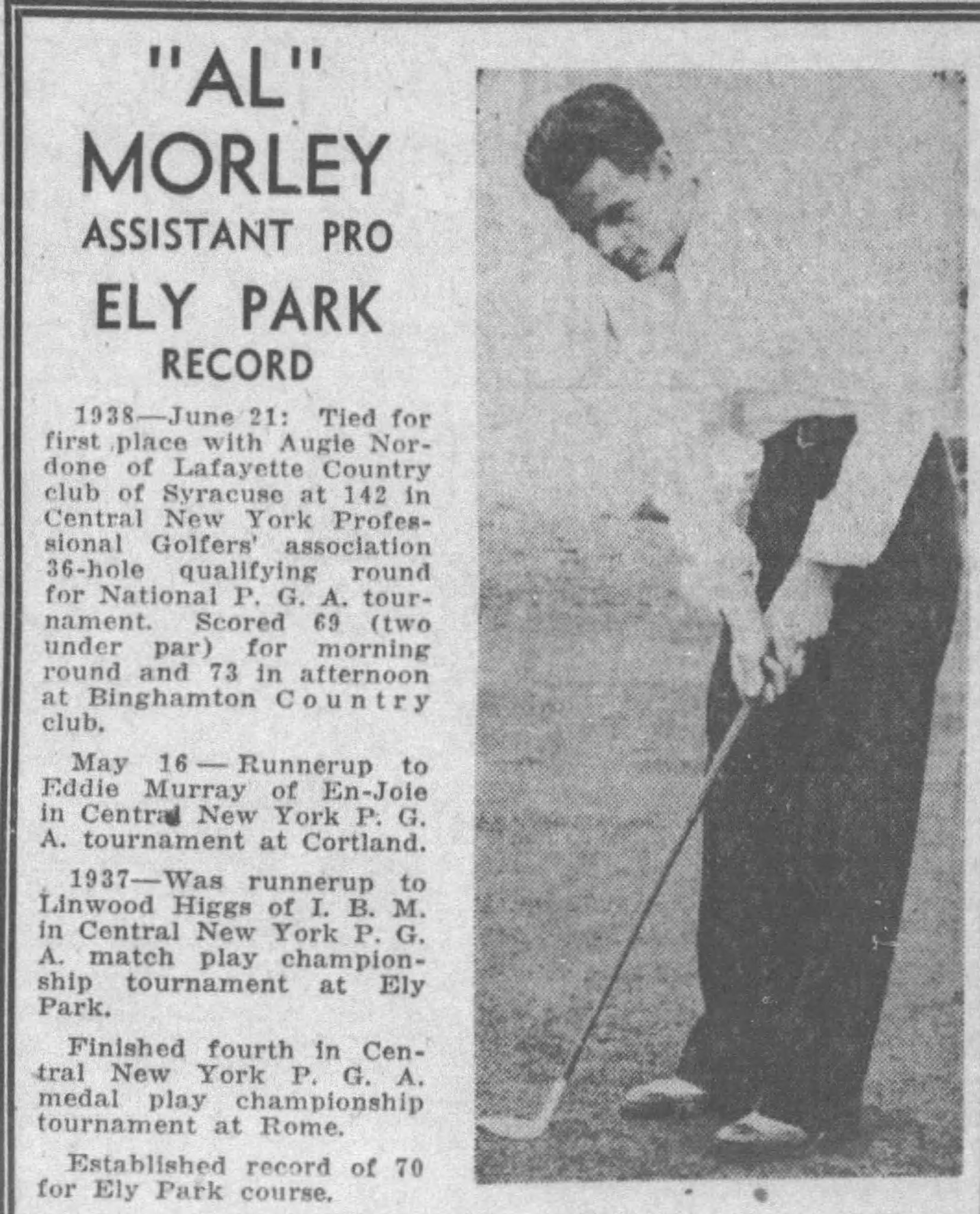
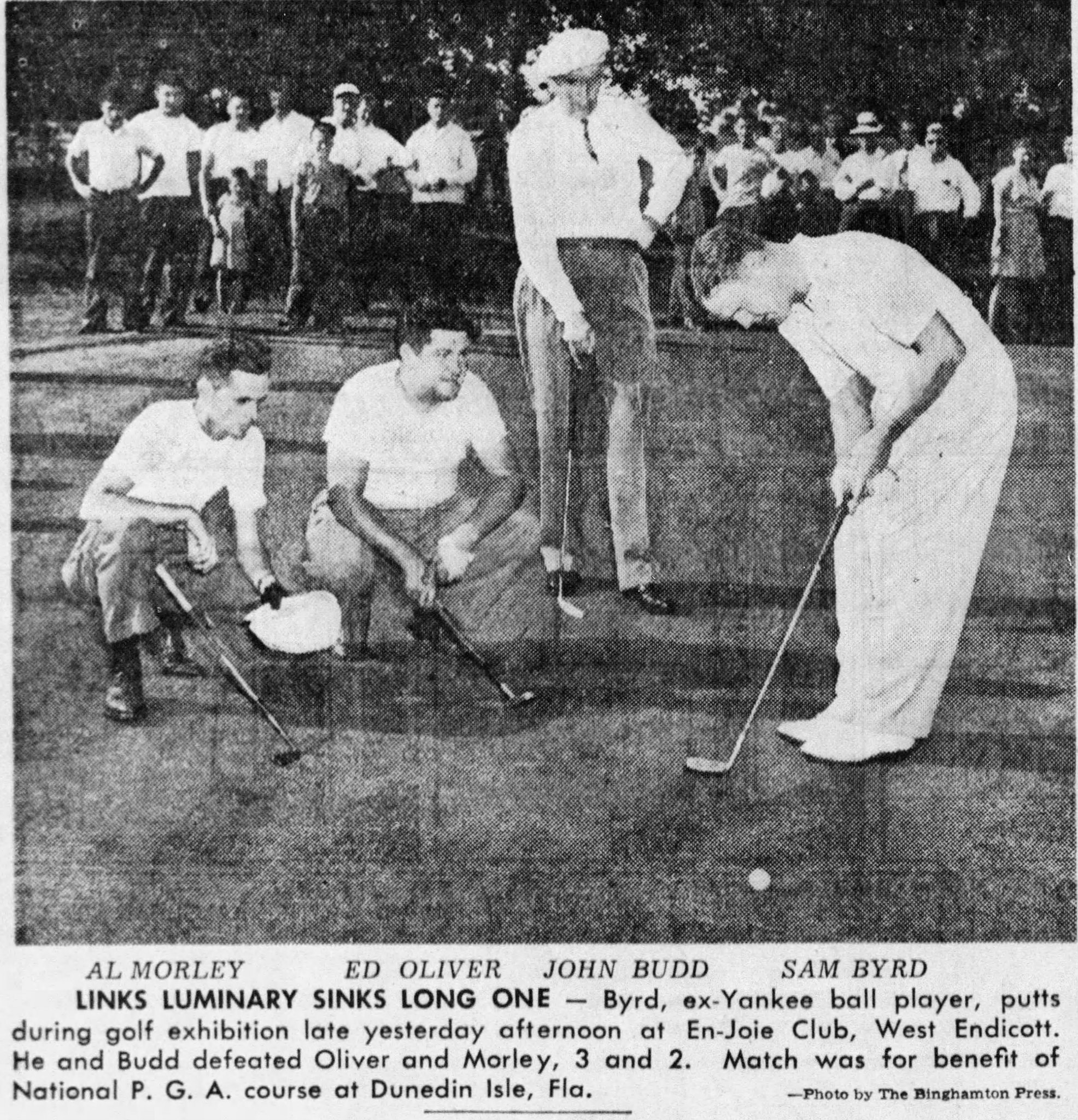
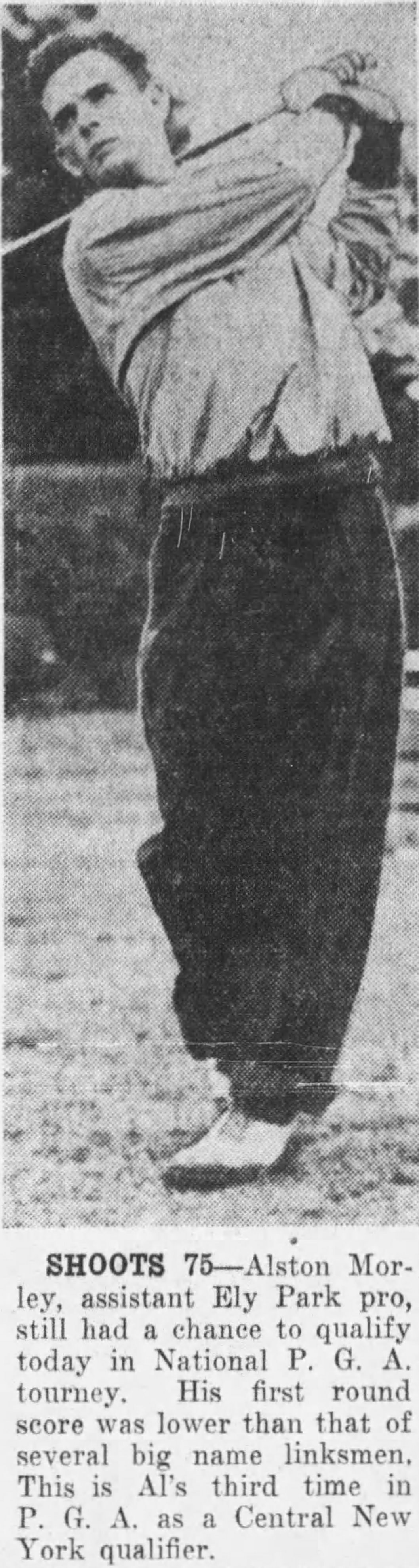
Ely Park’s Al Morley is in the PGA Championship Record Book for ALL-TIME!

A Broome County Golf Legend, an Ely Parker… Al Morley forever in the record books of the PGA of America & the PGA Championship! Played in 8 PGA Championships, 4 in the match play era & 4 in the stroke play era! Was privileged to know him & celebrate him & his golfing life at one of the Ely Park Celebrations! Any more stories or tributes to Al Morley out there???   (Andy Reistetter; Facebook Post with 10 Pics; 5-17-19)

CLICK HERE for Article:   Ely Park Honoree Al Morley: Played in 8 Major PGA Championships from 1931 to 1971!!!


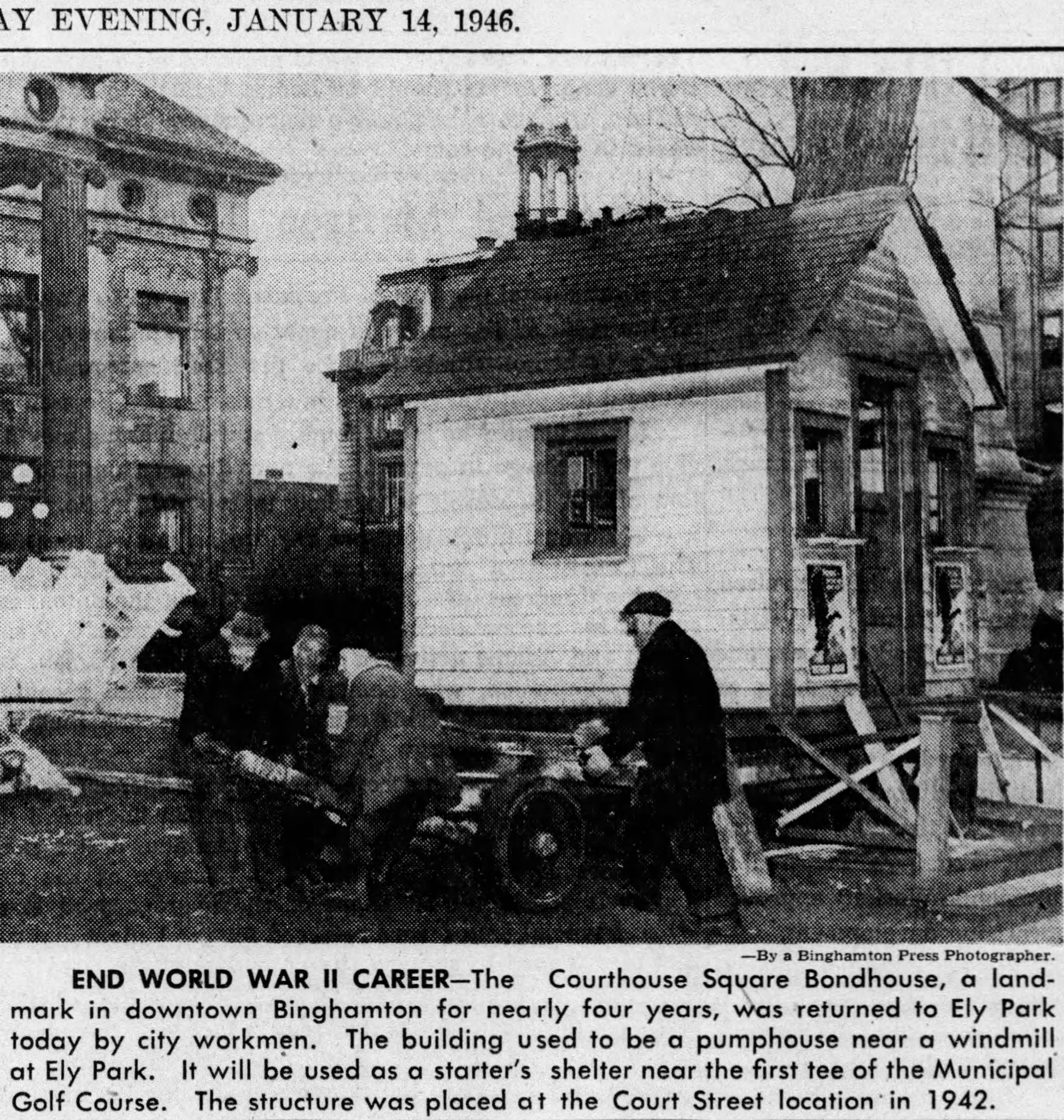
Ely Park’s Windmill Pumphouse to Bondhouse to Starter’s Shelter in 1946

Ely Park’s Windmill Pumphouse to Bondhouse to Starter’s Shelter in 1946

Dated January 14th, 1946.

Courtesy of Joe Danvers; posted on the Historic Binghamton Facebook Group on 1-14-2021:

From today’s Press, 1946:

Caption of the picture reads”

“END WORLD WAR II CAREER—The Courthouse Square Bondhouse, a landmark in downtown Binghamton for nearly four years, was returned to Ely Park today by city workmen. The building used to be a pumphouse near a windmill at Ely Park. It will be used as a starter’s shelter near the first tee of the Municipal Golf Course. The structure was placed at the Court Street Location in 1942.”

Which raises the following questions:

1. Where was the windmill located at Ely Park? What years was it in operation?

2. How did the windmill pump water (presumably)? And for what use?

Perhaps it was originally located on the stone structure above in-ground water storage tanks with the name Ely Park above the doors of the foundation?

3. Is it safe to assume that it was moved four years earlier from Ely Park to Court Street? Or was it used somewhere else?

4. Year 1946; original ‘clubhouse’ is in the old Prytherch home just off the left side of what is now Hole No. 3 (was originally Hole No. 1 as a long par-3 which was lengthened to a short par-4 once the new clubhouse was built and the parking lot was no longer needed; note one can still feel and hear the cinders of the old parking lot). Where was the starter’s shelter located?

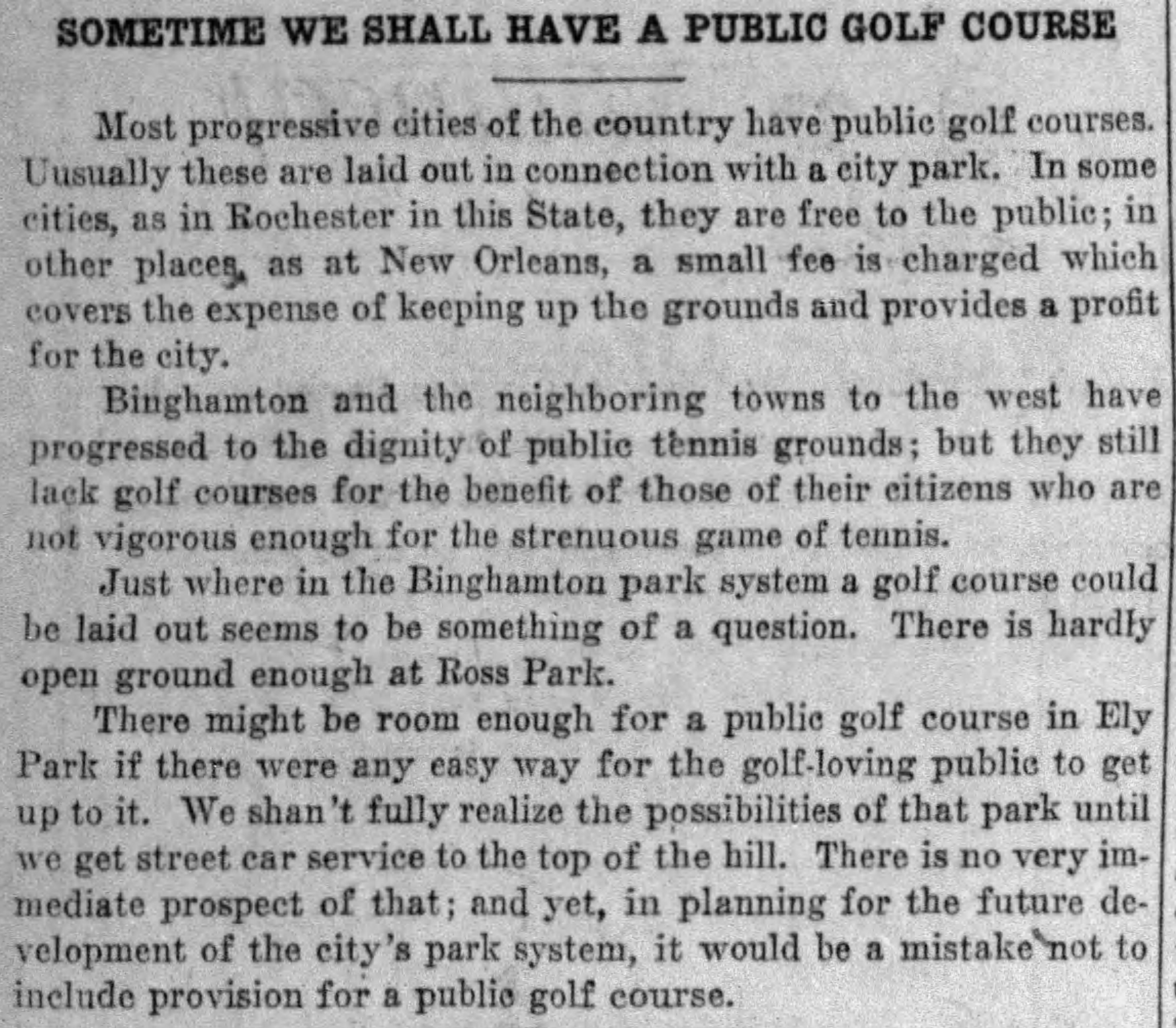
March 1922: First Mention of an Ely Park Public Golf Course in the City of Binghamton!

SOMETIME WE SHALL HAVE A PUBLIC GOLF COURSE

Sometime we shall have a public golf course! Photo Credit: Joe Danvers

Sometime we shall have a public golf course! Photo Credit: Joe Danvers

Most progressive cities of the country have public golf courses. Usually these are laid out in connection with a city park. In some cities, as of Rochester of this State, they are free to the public; in other places, as in New Orleans, a small fee is charged which covers the expense of keeping up the grounds and provides a profit for the city.

Binghamton and the neighboring towns to the west have progressed to the dignity of public tennis grounds; but they still lack golf courses for the benefit of those of their citizens who are not vigorous enough for the strenuous game of tennis.

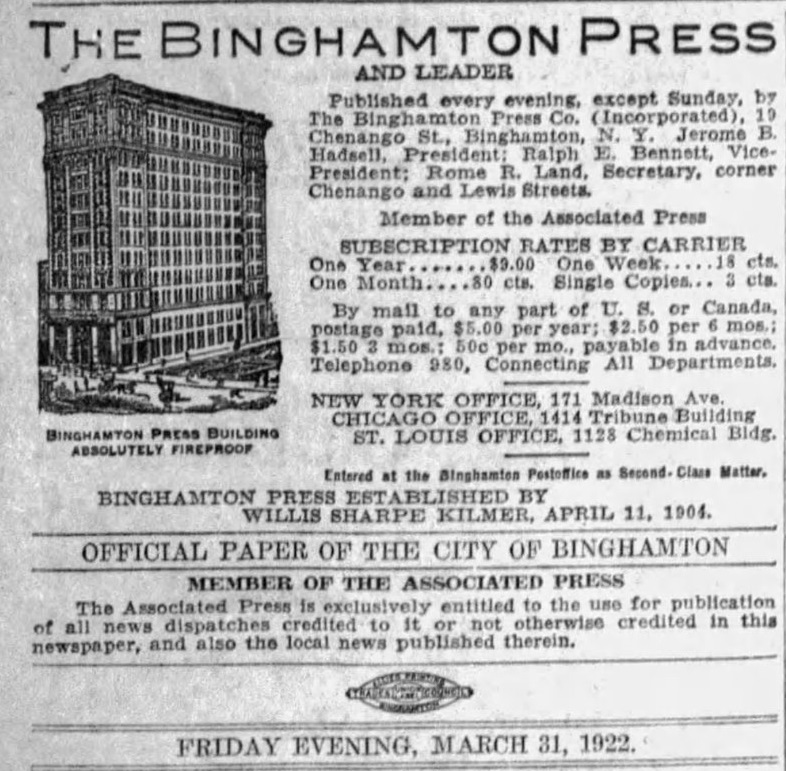
The Binghamton Press and Leader! March 31st, 1922 Photo Credit: Joe Danvers

The Binghamton Press and Leader! March 31st, 1922 Photo Credit: Joe Danvers

Just where in the Binghamton park system a golf course could be laid out seems to be something of a question. There is hardly open ground enough at Ross Park.

There might be room enough for a public golf course in Ely Park if there were any easy way for the golf-loving public to get up to it. We shan’t fully realize the possibilities of that park until we get street car service to the top of the hill. There is no very immediate prospect of that; and yet, in planning for the future development of the city’s park system, it would be a mistake not to include provision for a public golf course.


Full Page of The Binghamton Press and Leader in March 31st, 1922. Photo Credit: Joe Danvers

Full Page of The Binghamton Press and Leader in March 31st, 1922. Photo Credit: Joe Danvers


Friday Evening, March 31, 1922

The Binghamton Press & Leader

Established by Willis Sharpe Kilmer April 11th, 1904

Official Paper of the City of Binghamton

Member of the Associated Press

(Newspaper Article/Photo Credit: Joe Danvers)

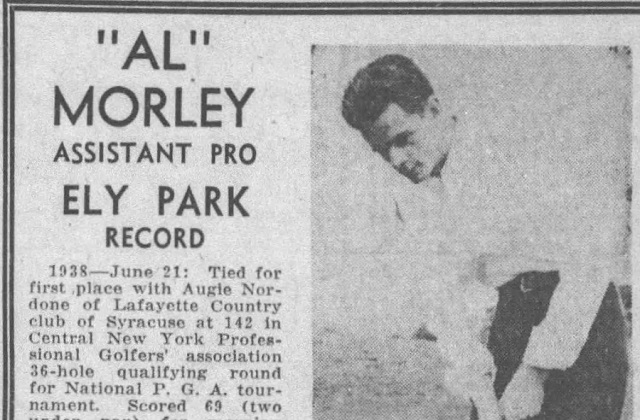
Ely Park Honoree Al Morley: Played in 8 Major PGA Championships from 1931 to 1971!!!

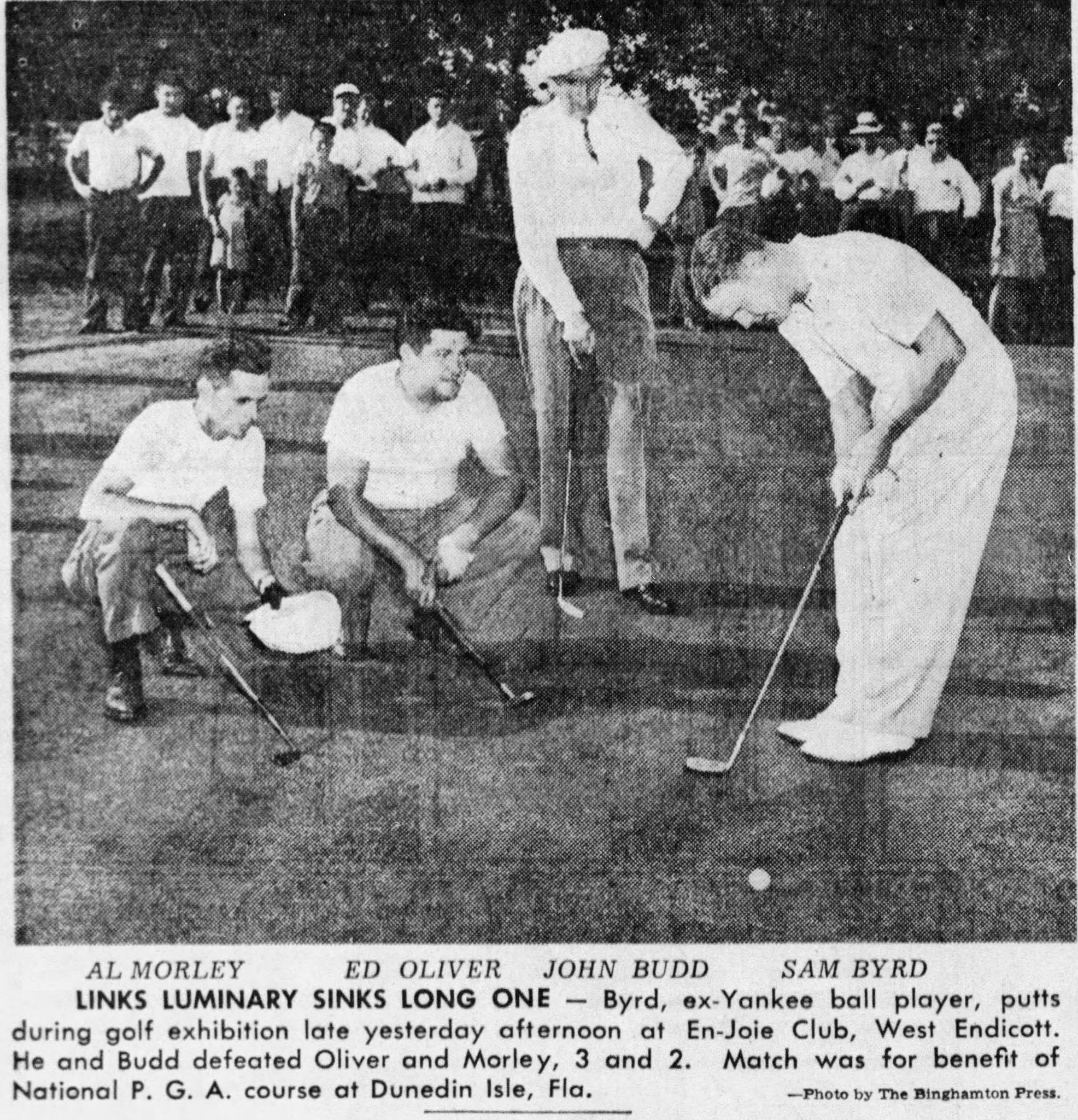
Al Morley

Al Morley—Al Mor—ley, the man with ‘Ely’ Park in his name—‘More—Ely’!

Born Jan 28th, 1916 in Hancock, NY and schooled in Johnson City

Live in Johnson City off Ackley Ave across river from old Vestal Hills

Hunt moles during depression

Looking for balls north side of Vestal Parkway

Jack Murphy- JC HS sports star- come out and caddy for me

Job caddying

Started caddying in 1927 when only 10 years old

Played lefty the first 2 years

Two years after switching he won the Broome County Caddy Championship

Go early in the morning

Protégé of ERNIE Smith since he was 10 years old.

Ernie 7 Am lesson- Andy Horvat – 1st ward banker

Caddy no show

50 cents to shag balls for ½ hour.

From that day on, he just lived golf”- Ernie Smith

the Squirt

Use to caddy for Ernie Smith at old 9 hole Vestal Hills course

1932 worked in the pro shop at the old Vestal Hills layout as an aide to Ernie Smith, then moved with “Smitty” the following year to Ely Park

Photo Credit: Joe Danvers

Photo Credit: Joe Damvers

Caddied for Ernie on Opening Day exhibition at Ely Park–Labor Day 1933 (September 4th, 1933); Eddie Murray, Lynn Higgs & 4th?

Very hot and dry summer- fairways had big cracks in them; open only first 2 weeks of September- then closed for the winter

Recalled original 9 holes- on top-No. 8 today, then 9, 10. 11, 17, No. 1, 2 and crow’s nest No. 7,

Rebuilt crow’s nest green- put terrace into hillside for temporary green- became no. 1

Caddy champ in 1935

Paid by Ernie not the city

Stayed in shack all summer long; davenport was his bed

Remembered lost tee- sure enough it was there- 584 yard par 4

Water truck would come and fill 55 gallon barrels behind each green, then they would water greens with sprinkler cams- walking back and forth across greens.

Ernie could never figure out the wear and tear on the greens from Smitty putting at night by lantern light.

Pioneer Par Cracker at Ely Park- tough sporty layout- shot 70- 2 under perfect figures- par had never been equaled before.

Match play championship at Ely- 600 largest gallery watch hilltop play the newspaper headlines screamed.

Al has been a member of the Professional Golfers’ Association (PGA) since July 7, 1937- over 66 years ago!

Went into the service 1942/3

Came back in 1946- worked for Ely for 1 season, then IBM

Been in PGA for 66 years- joined in 1937 at Ely Park

Very successful life in golf

1939- drove to Arizona with Ralph Sweethour?- stayed all winter- lost job at Ely Park

Shawnee CC, Shawnee-on-Delaware, Pa.- thanked all those whose donations have made his trip possible.- July 1938.

Hooking badly wee Bobby Cruishank- double finger overlap grip

National PGA championship 8 times

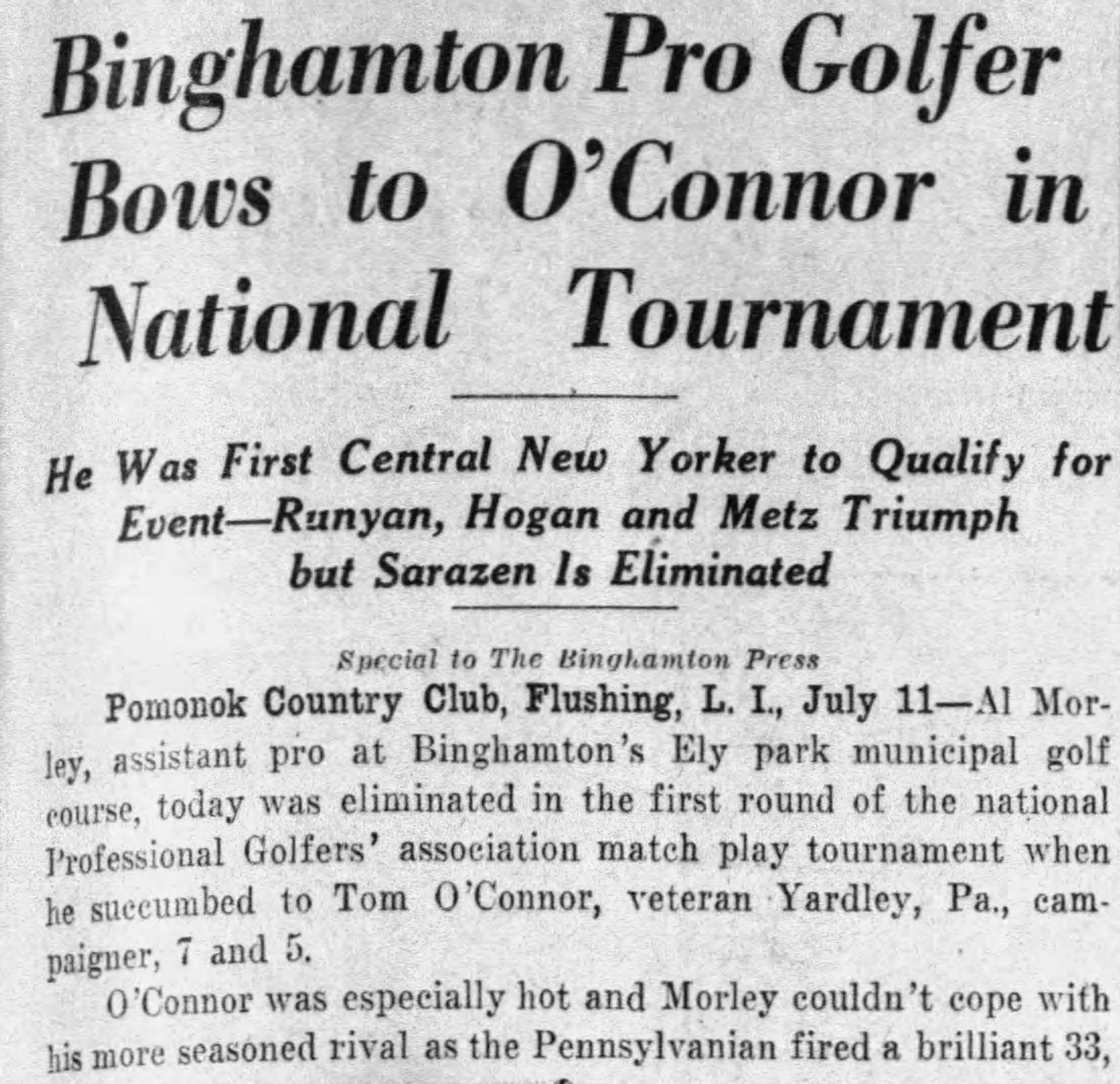
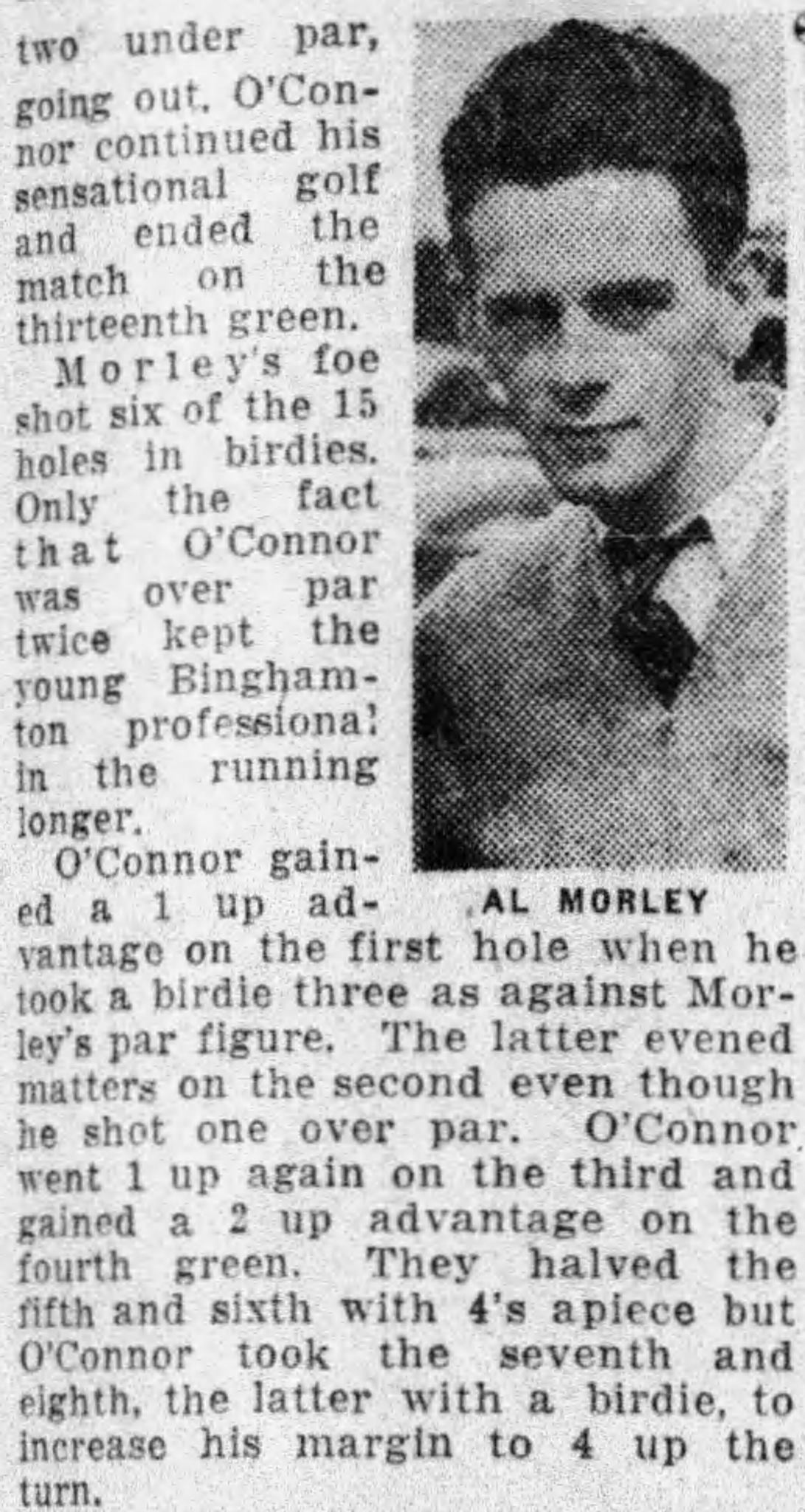
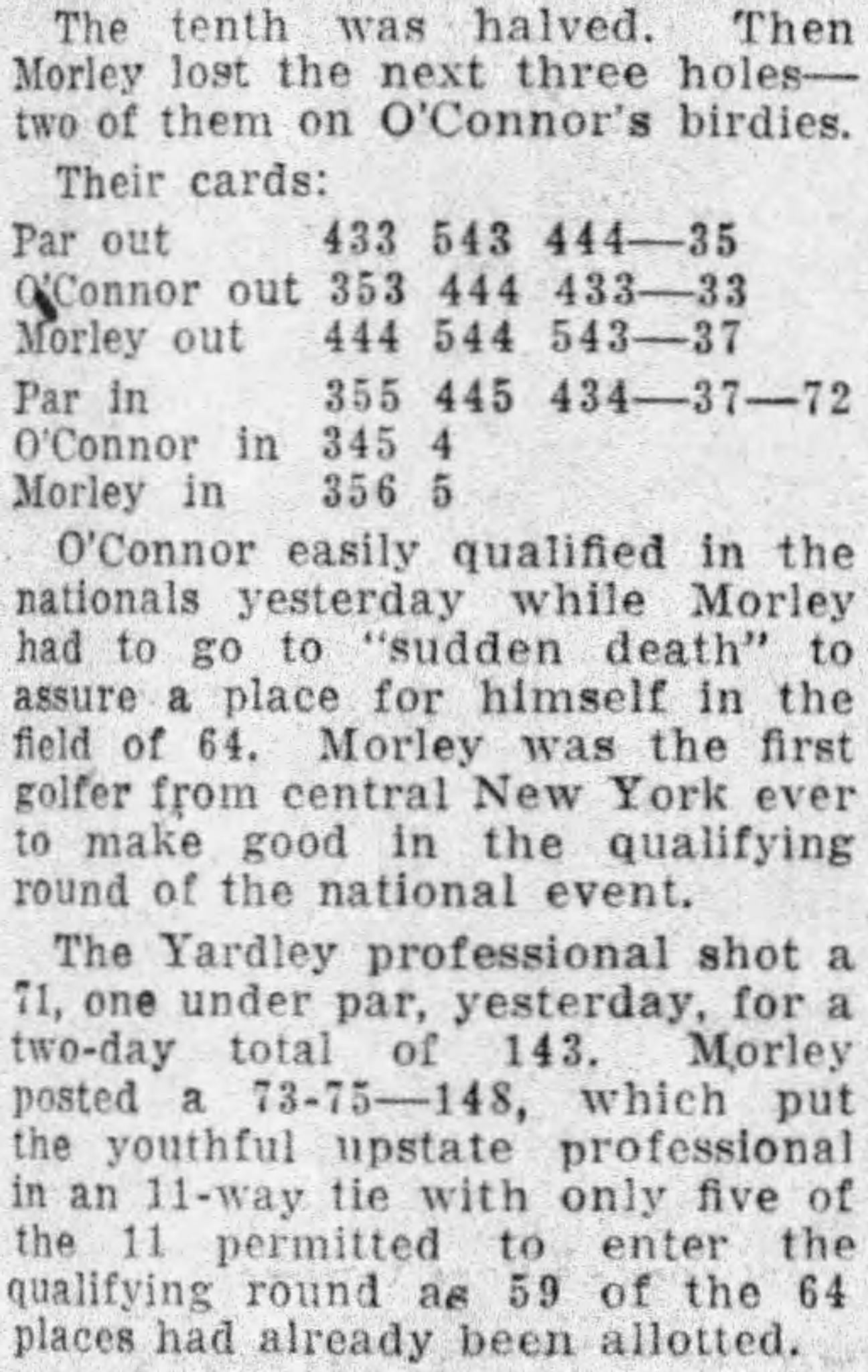
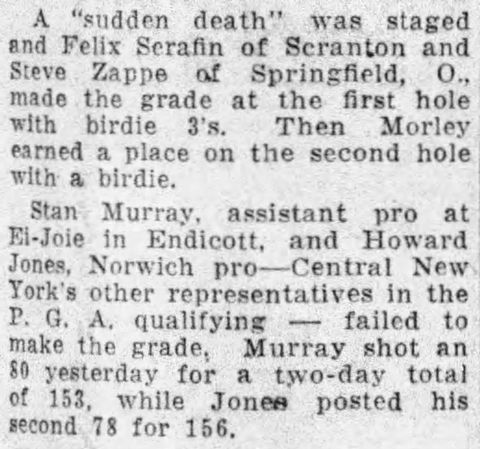
1939 PGA Championship at Pomonok CC, Flushing NY- won by Henry Picard. Al Morley was the first Central New Yorker to qualify for the event and qualify for the match play. Morley was defeated in the first round by Tom O’Connor. This was also Ben Hogan’s very first PGA Championship!

1942 PGA Championship at Seaview CC, Atlantic City, NJ- won by Sam Snead

1955 PGA Championship at Meadowbrook CC, Northville, Michigan- won by Doug Ford

1964 PGA Championship at Columbus CC, Columbus. Ohio- won by Bobby Nichols

1965 PGA Championship at Laurel Valley GC, Ligonier, Pa- won by Dave Marr (8th)

1966 PGA Championship at Firestone CC, Akron, Ohio- won by Al Geiberger

1971 PGA Championship at PGA National Golf Club, Palm Beach, Florida- won by Jack Nicklaus

CLICK HERE for Ely Park’s Al Morley is in the PGA Championship Record Book for ALL-TIME!

Won five (5) Central New York PGA Championship including three in a row (1964-1966); his last in 1971.

Ran Sidney, NY GC one year

Tried Link Aviator

IBM 1953- 1980

Right hand man for 15 years

Head golf Pro for 12 years- known as the “Silver Fox”

BCC competitive course record of 66- record shattering

Shot 63 at Ely Park with an ace on the first hole-220 yard par 3.

1977 International 4 ball

Played with Ben Hogan 2X- Ligoneer 1965

6/27/54 exhibition with Ben Hogan at IBM

Then again in 1965 at Laurel Valley- putting green story; called him by name.

1953 at IBM; retired in 1980 after 27 years

Photo Credit: Joe Danvers

Photo Credit: Joe Danvers

First wife died in 1975- Rita Morley- a consistent winner hereabouts- 1951

picture in paper winning the Al Sweeney Tourney at Ely Park

Remarried in 1984- Joan; widower of Pete Reuter; Johnny Hart’s character “Pete”

Life of service- Red Cross benefit exhibition at Ely Park; Aug 7, 1938

Triple Cities Professional Golf Match Benefit Salvation Army at Ely Park.

Once known also as “Mortimer Snerd”…..

Mort”

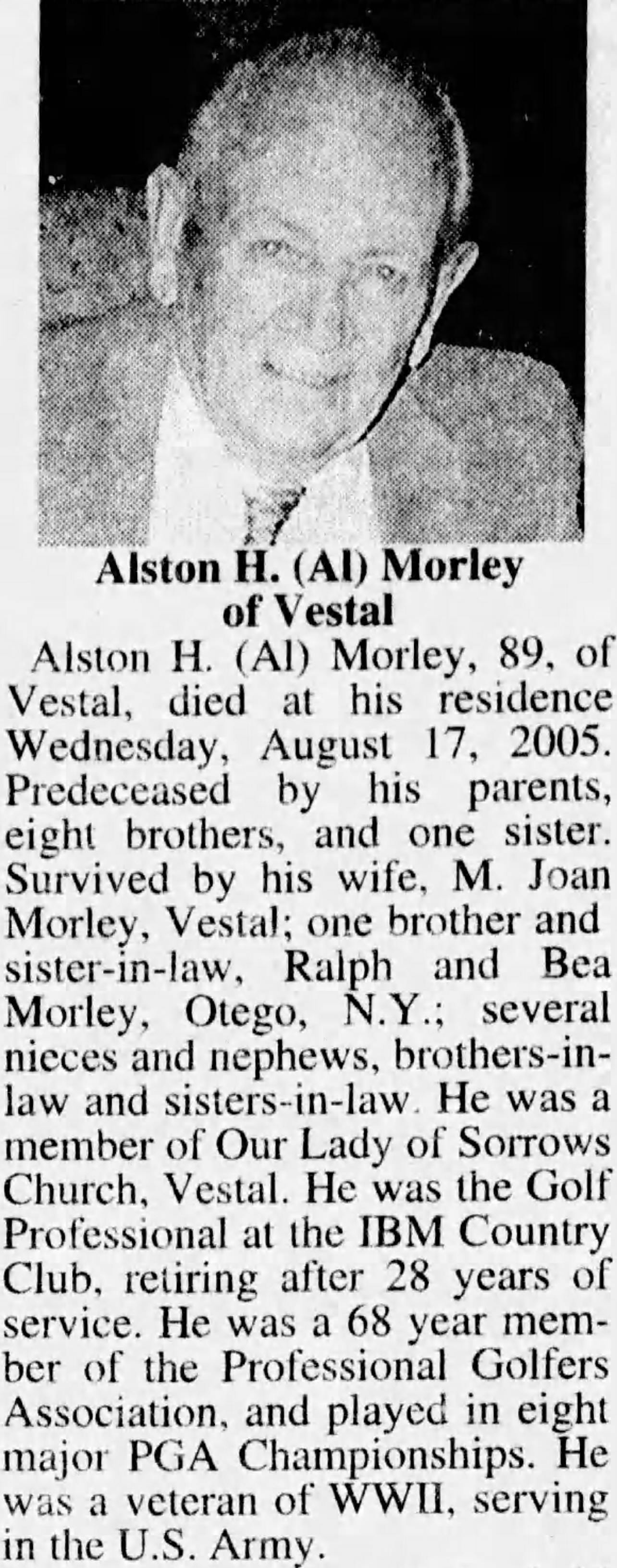
Passed Wednesday, August 17, 2005 at age 89 at his Vestal residence survived by his wife M. Joan Morley who passed September 9, 2019 at age 86.

Member of Our Lady of Sorrows Church

Golf Professional at IBM CC retiring after 28 years of service,

Sixty-eight (68) year member of the Professional Golfers Association (PGA of America).

Played in 8 major PGA Championships.

Veteran of WWII, serving in the U.S. Army.


Personal Testimonies & Memories of Al Morley:

I worked with Mr. Morley at IBM CC during summers from college. He always treated us “ kids” with respect. We had no idea of his accomplishments then, just that he was kind to us. Thank you for enlightening us. My husband worked there as well before he was hired permanently for IBM Endicott. Retired after a 41 year career. Those were the days…”—Maureen Schenone Kadlecik (Facebook Comment; 1-16-21)

Al was a great friend of our family’s. Always brought my Mom trout back from his fishing camp trips up near Delhi. Loved the fishing, didn’t care about the eating. I think he may have played in a U.S. Open? Might be wrong, and limited to PGA’S”—Joe Ringwood


Newspaper/Photo Credit: Joe Danvers


April 1913: Erection of Ely Memorial Tower Considered by City of Binghamton but Never Built.

THE BINGHAMTON PRESS, SATURDAY EVENING, APRIL 12, 1913

View of the original Ely Tower built in 1893 and demolished by a wind storm in 1908. It stood for 15 years and gave Binghamtonians a great view of their city and surrounding countryside.

View of the original Ely Tower built in 1893 and demolished by a wind storm in 1908. It stood for 15 years and gave Binghamtonians a great view of their city and surrounding countryside.

Binghamton will finally begin this summer the erection of an Ely Memorial Tower to the memory of S. Mills Ely, who gave the city a valuable tract of land on the crest of Mount Prospect for a city park and built a concrete stairway leading from Prospect Street to the park.

When the park was given to the city a wooden observatory occupied the crest, and from its top a view of the entire country could be obtained, the village of Owego being discernible with a strong glass on a clear day.

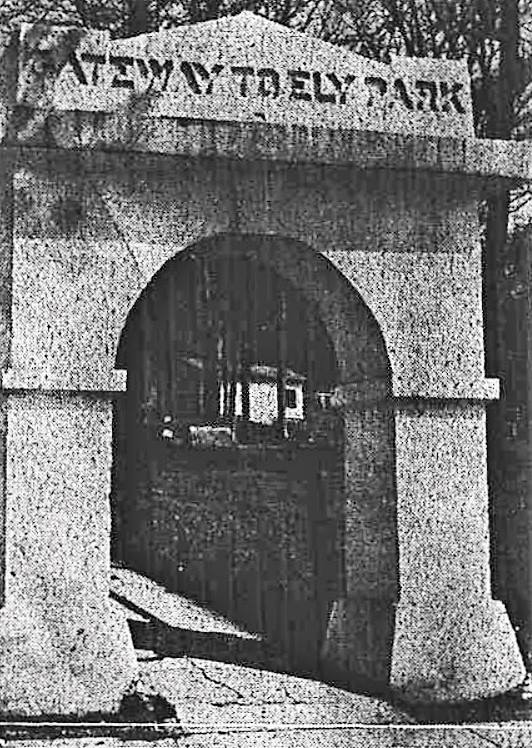
The 'Gateway to Ely Park, referenced in the article. Photo CreditL Unknown
The ‘Gateway to Ely Park, referenced in the article. Photo Credit: Unknown
A tornado wrecked part of the tower, and later the remainder was destroyed by fire.
Mayor John J. Irving and Park Commissioner John Ring now are considering a plan for the immediate rebuilding of the observatory.

It is hoped the building can be completed early in the summer, that it may be available to the numerous picnic parties visiting the park this year.

This gateway was constructed on Prospect directly across from Oak Street.

NOTE: Gratitude to Bob Bullock for sharing this article and six pictures on Facebook’s Historic Binghamton public page on September 29, 2015.


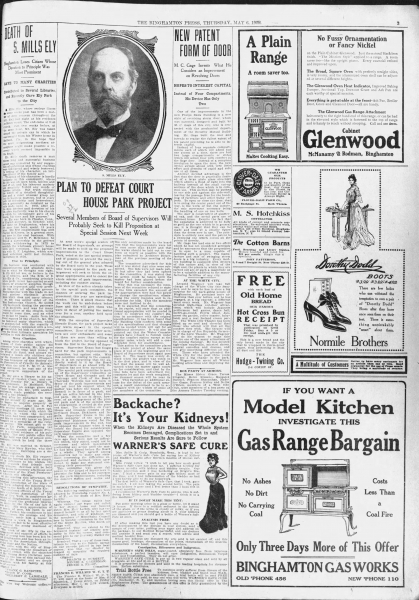
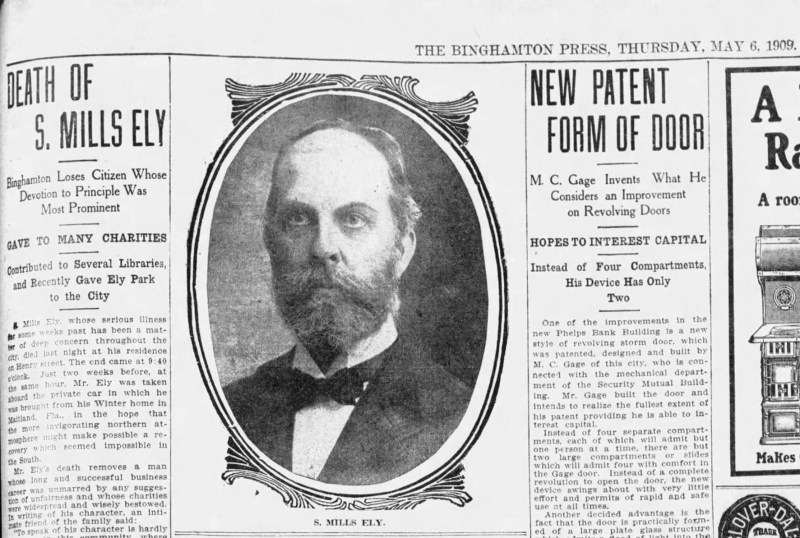
Death & Obituary of S. Mills Ely on Wednesday, May 5th, 1909 in Binghamton, New York.

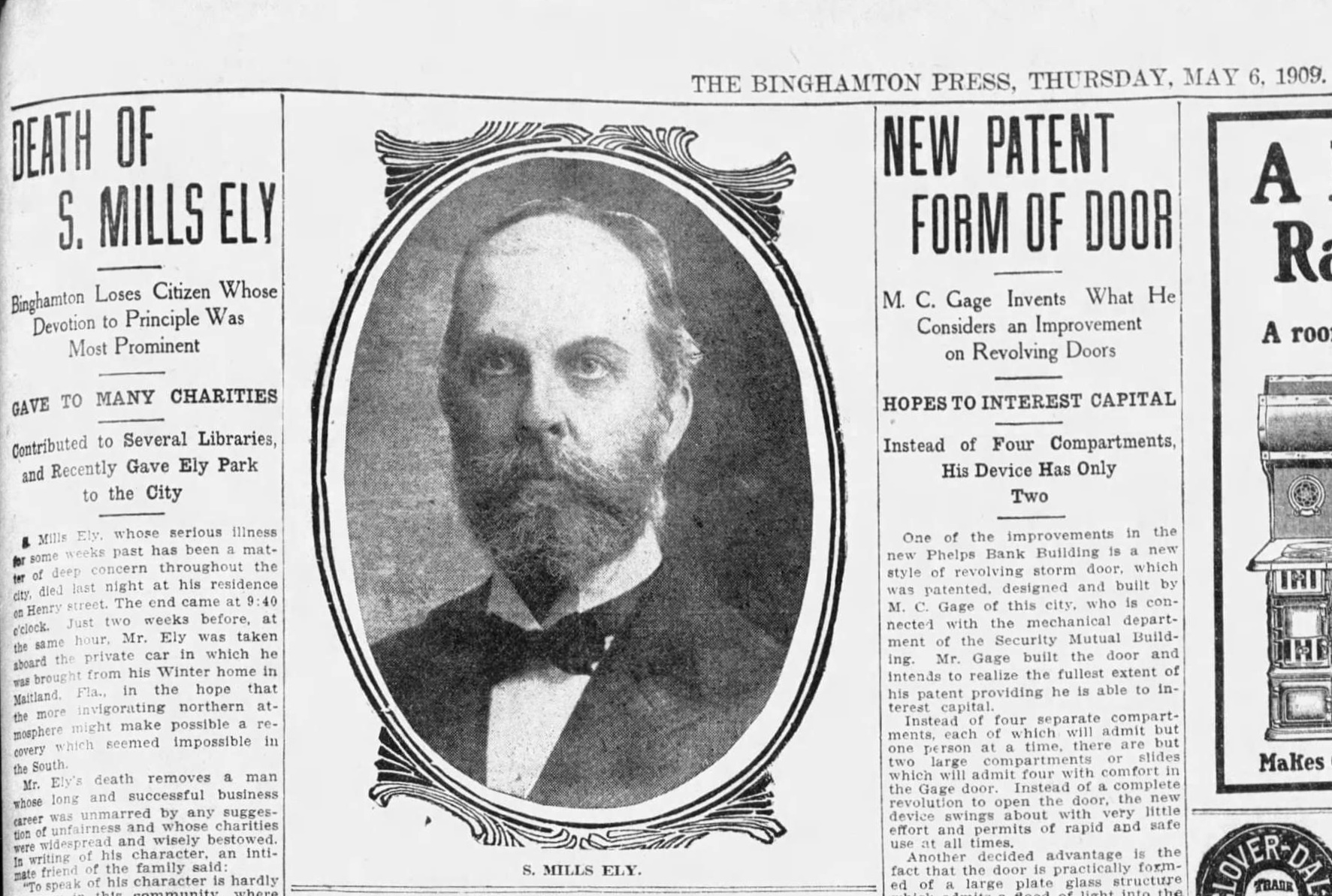
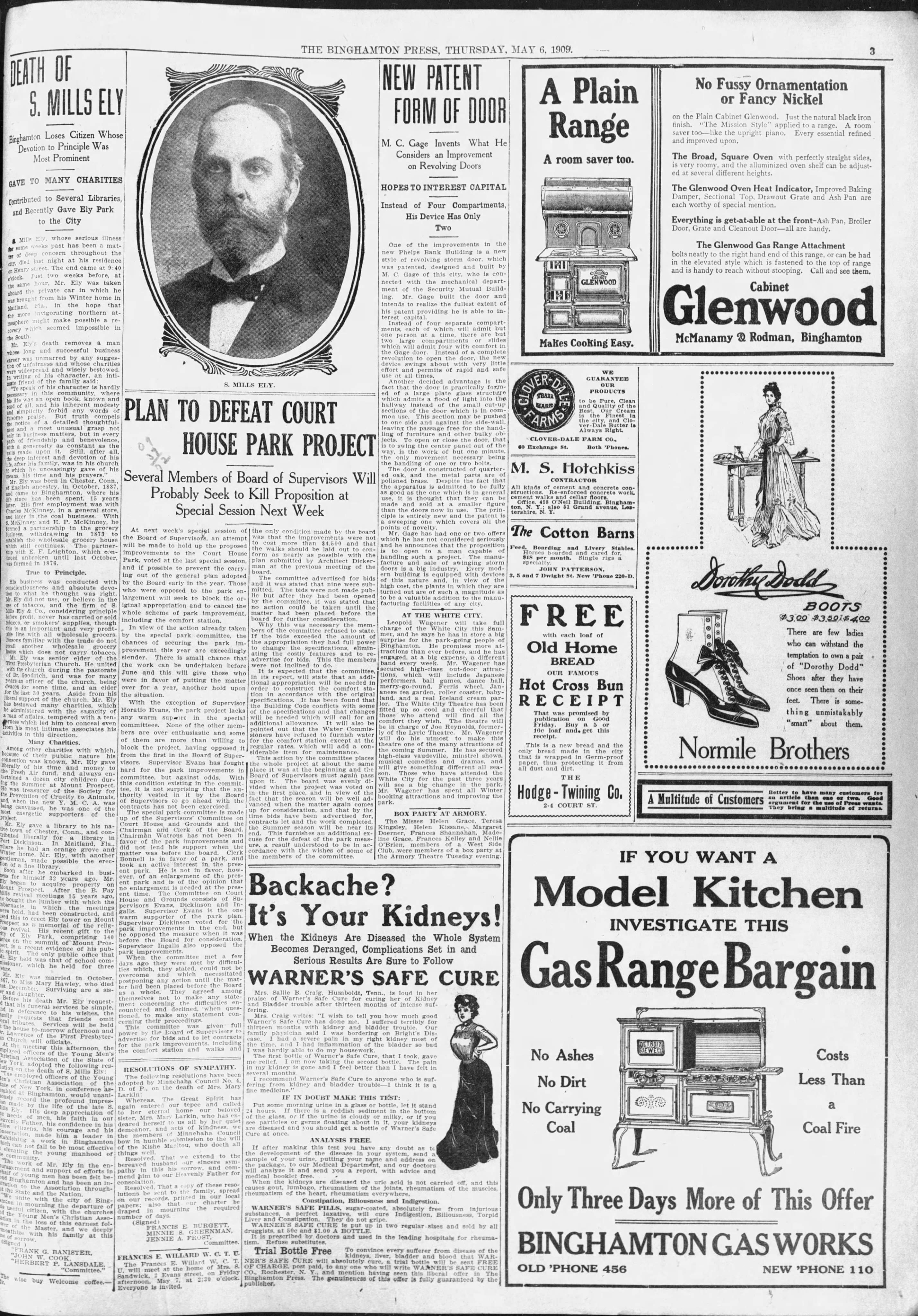
The Binghamton Press Thursday, May 6, 1909 Photo Credit: Joe Danvers (January 2021)

The Binghamton Press
Thursday, May 6, 1909
Photo Credit: Joe Danvers
(January 2021)

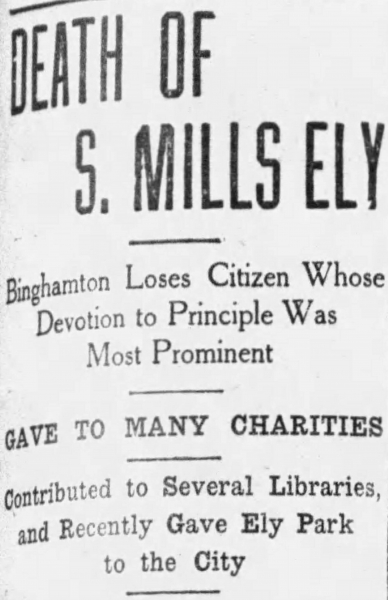
Death of S. Mills Ely (Wednesday, May 5th, 1909)

Binghamton Loses Citizen Whose Devotion to Principle Was Most Prominent

GAVE TO MANY CHARITIES

Contributed to Several Libraries, and Recently Gave Ely Park to the City

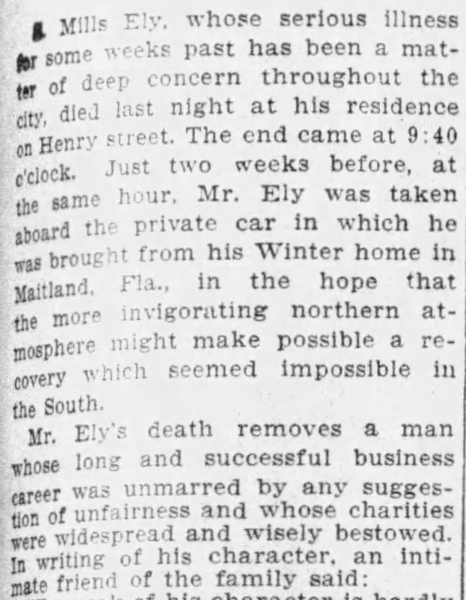
S. Mills Ely, whose serious illness for some weeks past has been a matter of deep concern throughout the city, died mast night at his residence on Henry Street. The end came at 9:40 o’clock. Just two weeks before, at the same hour, Mr. Ely was taken aboard the private car in which he was brought from his Winter home in Maitland, Florida, in the hope that the more invigorating northern atmosphere might make possible a recovery which seemed impossible in the South.

The Binghamton Press Thursday, May 6, 1909 Photo Credit: Joe Danvers (January 2021)

The Binghamton Press
Thursday, May 6, 1909
Photo Credit: Joe Danvers
(January 2021)

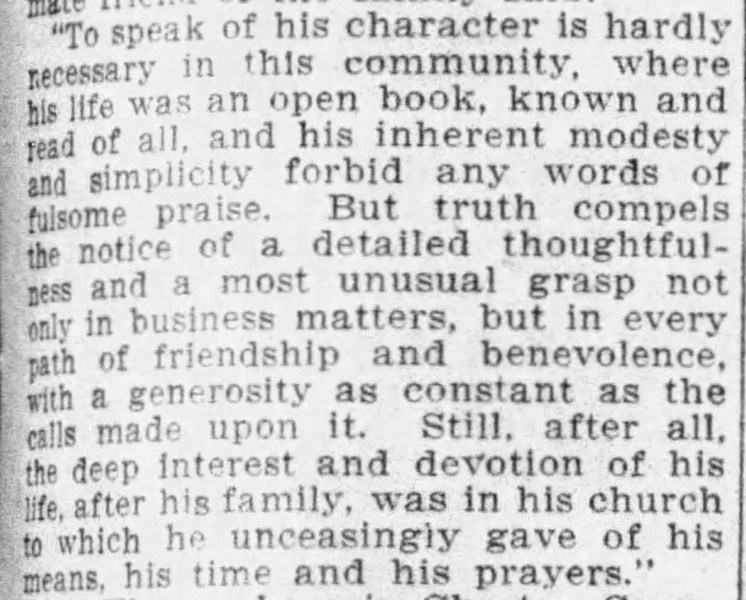
Mr. Ely’s death removes a man whose long and successful business career was unmarred by any suggestion of unfairness and whose charities were widespread and wisely bestowed. In writing of his character an intimate friend of the family said:

To speak of his character is hardly necessary in this community, where his life was an open book, known and read by all, and his inherent modesty and simplicity forbid any words of fulsome praise. But truth compels the notice of a detailed thoughtfulness and a most unusual grasp not only in business matters, but in every path of friendship and benevolence, with a generosity as constant as the calls made on it. Still, after all, the deep interest and devotion of his life, after his family, was in his church to which he unceasingly gave of his means, his time, and his prayers.”

The Binghamton Press Thursday, May 6, 1909 Photo Credit: Joe Danvers (January 2021)

The Binghamton Press
Thursday, May 6, 1909
Photo Credit: Joe Danvers
(January 2021)

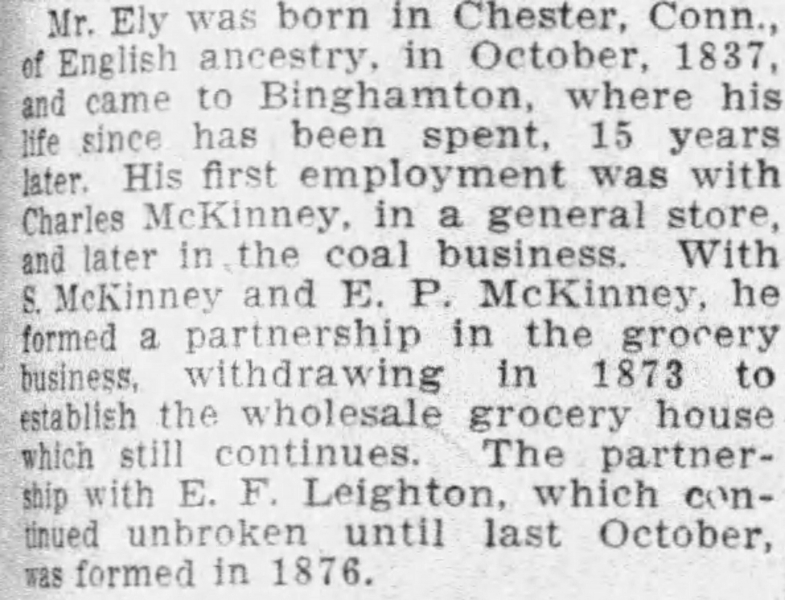
Mr. Ely was born in Chester, Connecticut of English ancestry, in October, 1837, and came to Binghamton, where his life has since been spent, 15 years later. His first employment was with Charles McKinney, in a general store, and later in the coal business. With S. McKinney and E.P. McKinney, he formed a partnership in the grocery business, withdrawing in 1873 to establish the wholesale grocery house which continues. The partnership with E. F. Leighton, which continued unbroken until last October, was formed in 1876.

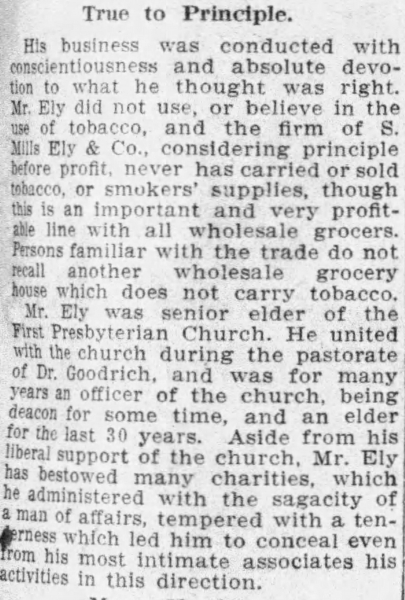
True to Principle.

His business was conducted with absolute conscientiousness and absolute devotion to what he thought was right. Mr. Ely did not use, or believe in the use of tobacco, and the firm of S. Mills Ely & Co., considering principle before profit, never has carried or sold tobacco, or smokers’ supplies, though this is an important and very profitable line with all wholesale grocers. Persons familiar with the trade do not recall another wholesale grocery house which does not carry tobacco.

The Binghamton Press Thursday, May 6, 1909 Photo Credit: Joe Danvers (January 2021)

The Binghamton Press
Thursday, May 6, 1909
Photo Credit: Joe Danvers
(January 2021)

Mr. Ely was a Senior Elder at the First Presbyterian Church. He united with the church during the pastorate of Dr. Goodrich, and was for many years an officer of the church, being deacon for some time, and an elder for the last 30 years. Aside for his liberal support of the church, Mr. Ely has bestowed many charities, which he administered with the sagacity of a man of affairs, tempered with a tenderness which led him to conceal even from his most intimate associates his activities in this direction.

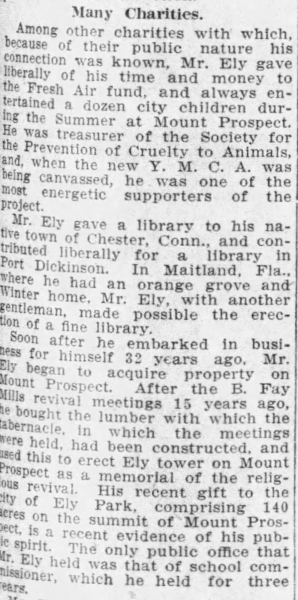
Many Charities.

Among other charities with which, because of their public nature his connection was known, Mr. Ely gave liberally of his time and money to the Fresh Air Fund, and always entertained a dozen city children during the Summer at Mount Prospect. He was treasurer of the Society for the Prevention of Cruelty to Animals, and, when the new Y.M.C.A was being canvassed, he was one of the most energetic supporters of the project.

Mr. Ely gave a library to his native town of Chester, Connecticut, and contributed liberally for a library in Port Dickerson. In Maitland, Florida where he had an orange grove and Winter home, Mr. Ely and another gentleman made possible the erection of a fine library.

Soon after he embarked in business for himself 32 years ago, Mr. Ely began to acquire property on Mount Prospect, After the B. Fay Mills revival meetings 15 years ago, he bought the lumber with which the tabernacle, in which the meetings were held, had been constructed, and used this to erect Ely Tower on Mount Prospect as a memorial of the religious revival. His recent gift to the city of Ely Park, comprising 140 acres on the summit of Mount Prospect, is a recent evidence of his public spirit. The only public office that Mr. Ely held was that of school commissioner, which he held for three years.

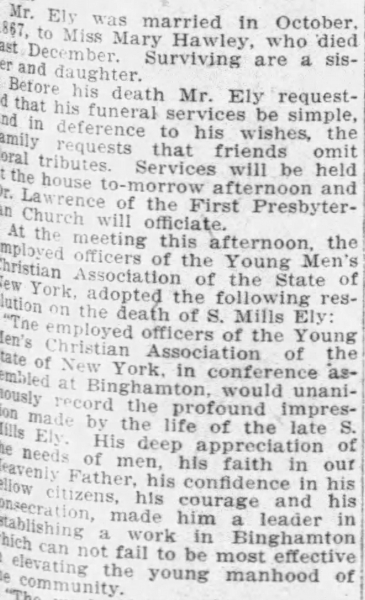
Mr. Ely was married in October, 1867 to Miss Mary Hawley, who died last December. Surviving are a sister and a daughter.

Before his death Mr. Ely requested that his funeral services be simple, and in deference to his wishes, the family requests that friends omit moral tributes. Services will be held at the house tomorrow afternoon and Fr. Lawrence of the First Presbyterian Church will officiate.

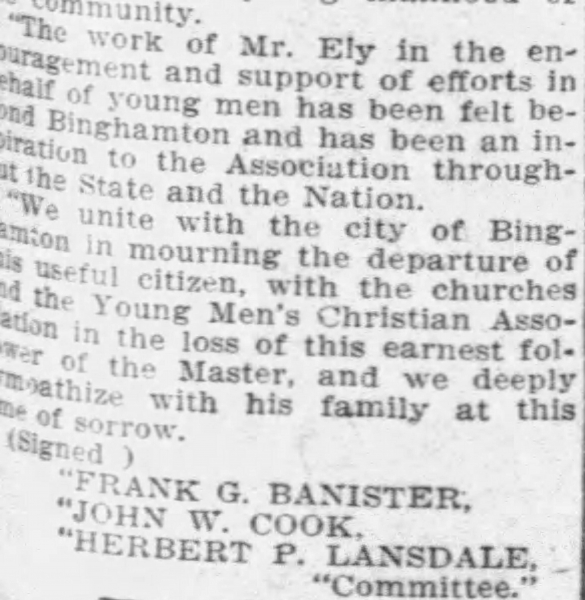
At the meeting this afternoon, the employed officers of the Young Men’s Christian Association of the State of New York, in conference assembled at Binghamton, would unanimously record the profound impression by the life of of the late S. Mills Ely. His deep appreciation for the needs of men, his faith in our Heavenly Father, his confidence in his fellow citizens, his courage, and his consecration, made him a leader in establishing a work in Binghamton which can not fail at being most effective at elevating the young manhood of the community.

The work of Mr. Ely in the encouragement and support of efforts in behalf of young men has been felt beyond Binghamton and has been an inspiration to the Association throughout the State and the Nation.

We unite with the city of Binghamton in mourning the departure of this useful citizen, with the churches and the Young Men’s Christian Association in the loss of this earnest follower of the Master, and we deeply sympathize with his family at this time of sorrow.

(Signed)

Frank G. Banister, John W. Cook, Herbert P. Lansdale”

Committee.”


ALL PHOTO CREDIT:

The Binghamton Press

Thursday, May 6, 1909

Photo Credit: Joe Danvers

(January 2021)

Obituary Transcript by Andy Reistetter


Ely Park Honoree: S. Mills Ely; Namesake of Binghamton’s Ely Park Golf Course!

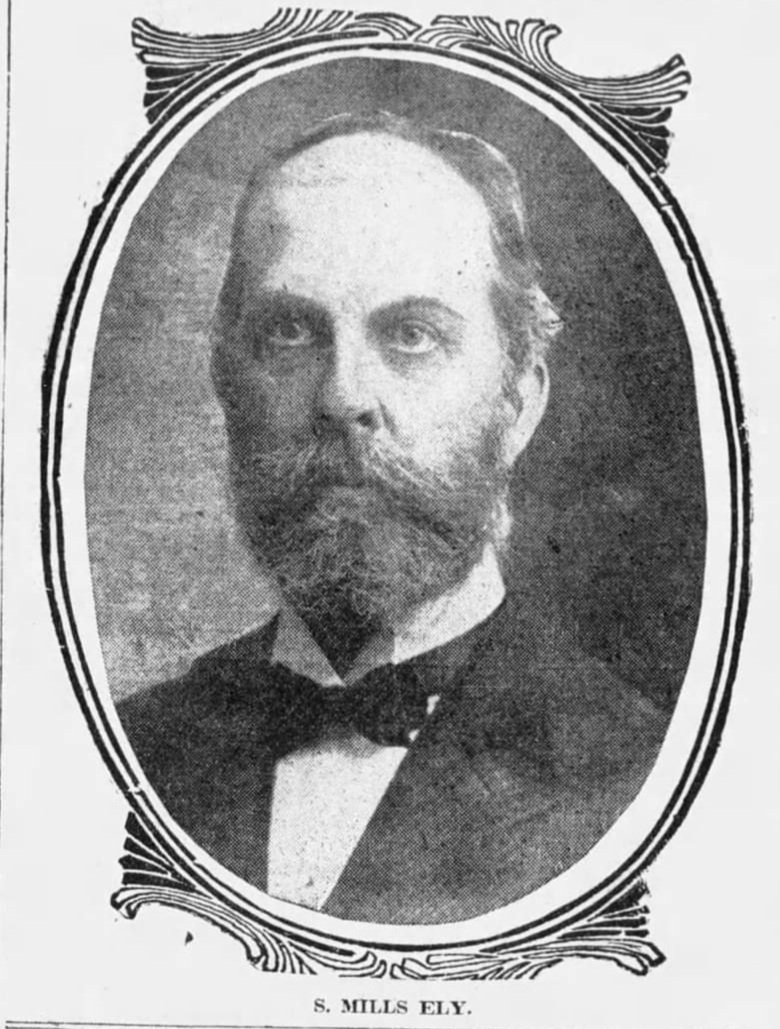
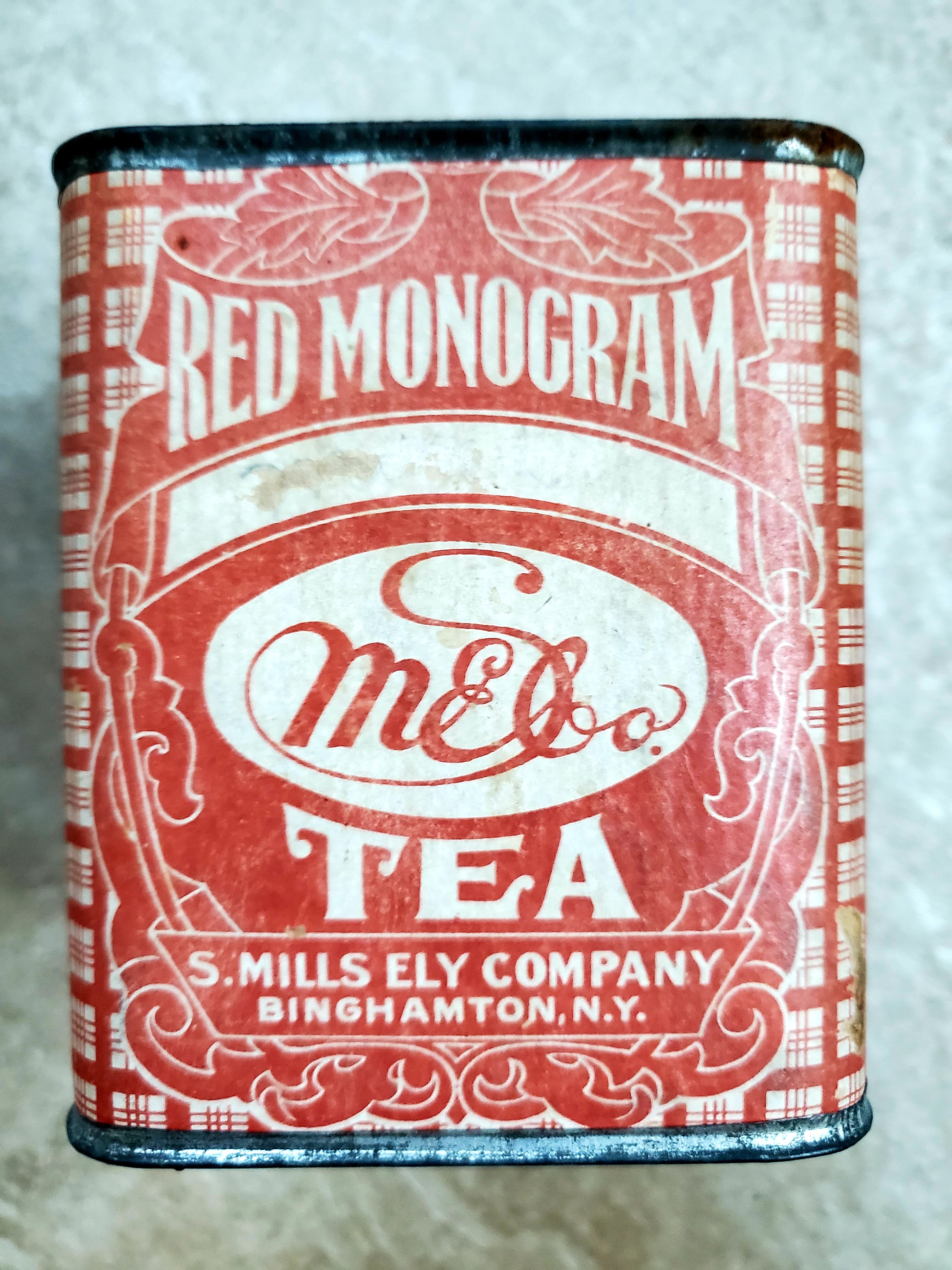
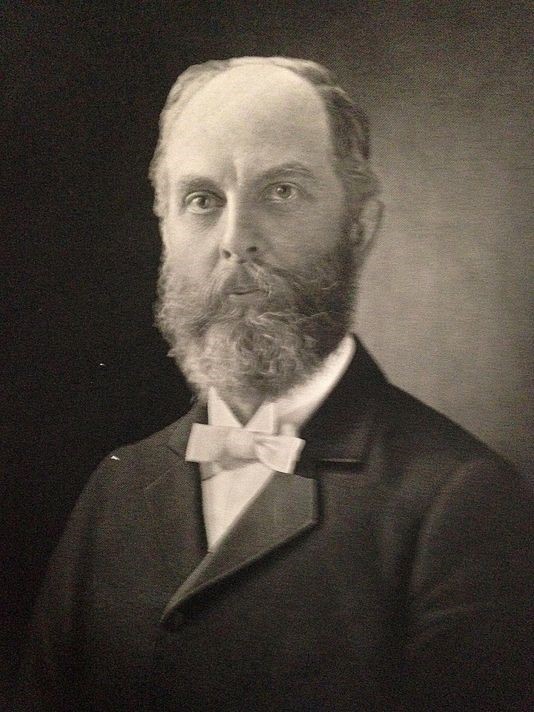
Samuel Mills Ely, Benefactor of Ely Park Golf Course. Photo Credit: Broome County Historical Society

Samuel Mills Ely, Benefactor of Ely Park Golf Course. Photo Credit: Broome County Historical Society

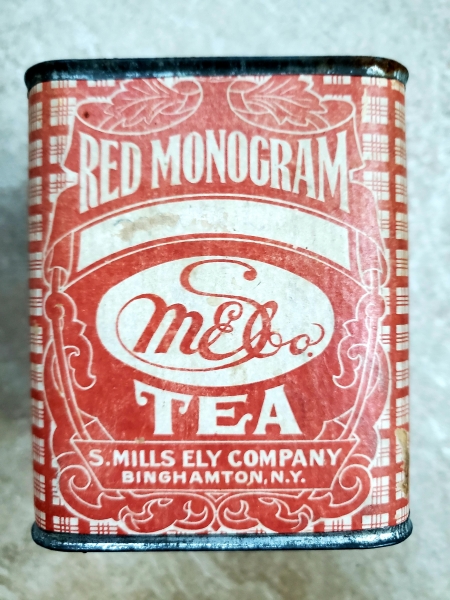
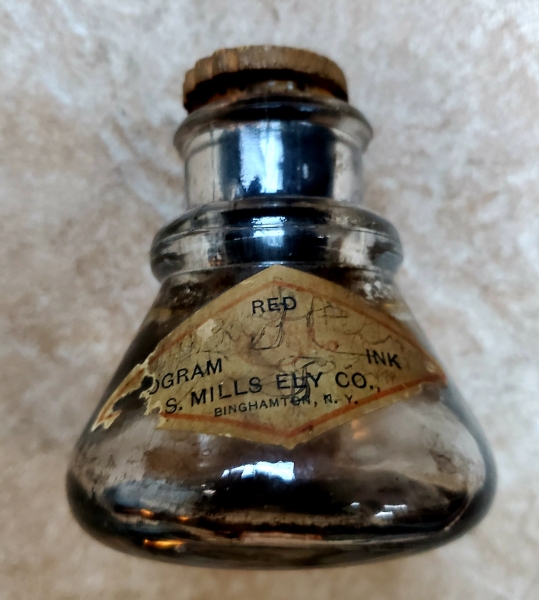
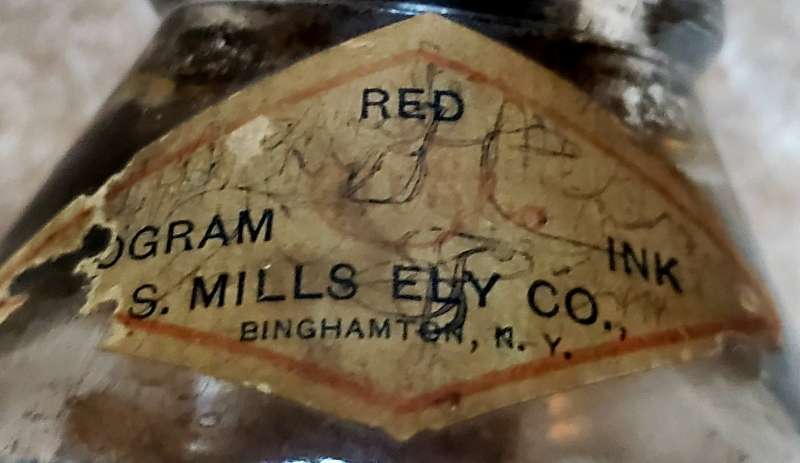
Samuel Mills Ely—For nearly half a century Samuel Mills Ely was a resident of Binghamton, New York, and during that period there were few who contributed more largely to the life of the city than did he. Founder of one of the most important wholesale grocery houses of the city, and identified with various business interests, he demonstrated the often disputed fact that large business success and strict adherence to the principles of the “Golden Rule” are not incompatible. He gave to the community not only the economic advantage accruing from the establishment of a large and important business enterprise, but the inspiring example of a man who, even in his business connections, remains staunchly true to the principles of Christianity.

Samuel Mille (S. Mills) Ely was born in Chester. Connecticut, at the Ely homestead, October 24, 1837, son of Richard and Caroline (Buck) Ely, the former a descendant of the early settlers of Lyme, Connecticut, but born in Essex, Connecticut, August 6, 1798, who was a farmer and prominent in the local public affairs of the town, holding various offices, and the latter born May 5, 1799.

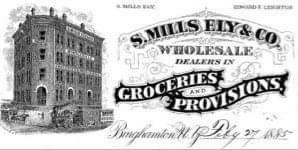
Letterhead of S. Mills Ely & Company. The building is still standing at the corner of Prospect Ave, and N. Depot St. across the railroad tracks from the Kilmer Building in downtown Binghamton. Photo Credit: Broome County Historical Society

Letterhead of S. Mills Ely & Company. The building is still standing at the corner of Prospect Ave, and N. Depot St. across the railroad tracks from the Kilmer Building in downtown Binghamton. Photo Credit: Broome County Historical Society

Samuel Mills Ely received his education in the public schools of Chester, and later became a student in a grammar school at Deep River, Connecticut. When his school training was completed, he began his active career in the employ of his uncle, Hon. Charles McKinney.

In 1865 he formed a partnership with S. & E. P. McKinney and engaged in the grocery business in Binghamton, which connection he maintained until 1873, when he withdrew and established the wholesale grocery and importing house of S. Mills Ely & Company, of which he was president at the time of his death.

Three years after the founding of the business, in 1876, he formed a partnership with E. F. Leighton, and that connection remained unbroken for a period of thirty-two years, at the end of which time it was terminated by the death of Mr. Leighton, which occurred in 1908.

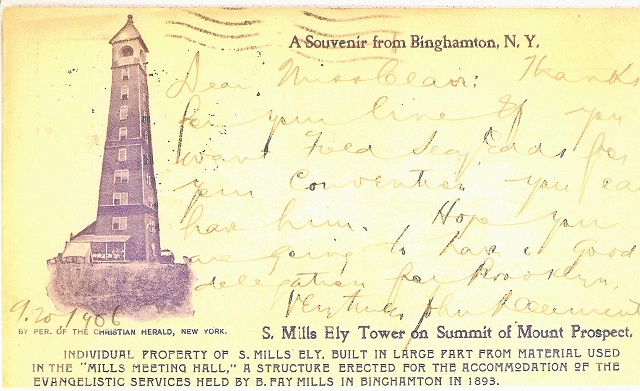
S. Mills Ely Tower on summit of Mount Prospect stood from 1894 to 2007 when a windstorm knocked it down.

S. Mills Ely Tower on summit of Mount Prospect stood from 1894 to 2007 when a windstorm knocked it down.

The business was a very prosperous one and conducted according to the highest standards of fair dealing, recognizing moral obligations and standards as well as those which are legal. Just one instance serves to illustrate the sincerity with which Mr. Ely made his business adhere to his moral convictions. He did not use tobacco in any form because he believed it to be injurious to health. Therefore, he refused to handle it in his wholesale business even though that article was then one of the large and profitable items of that trade.

Along with the business known as that of S. Mills Ely & Company, Mr. Ely, in association with Roswell J. Bump and Mr. Leighton, organized the Binghamton Chair Company, one of Binghamton’s most successful manufacturing concerns.

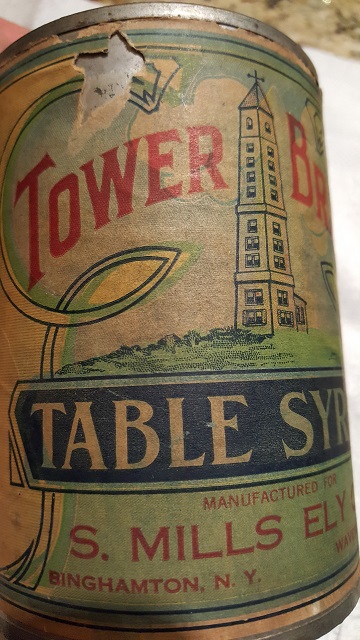
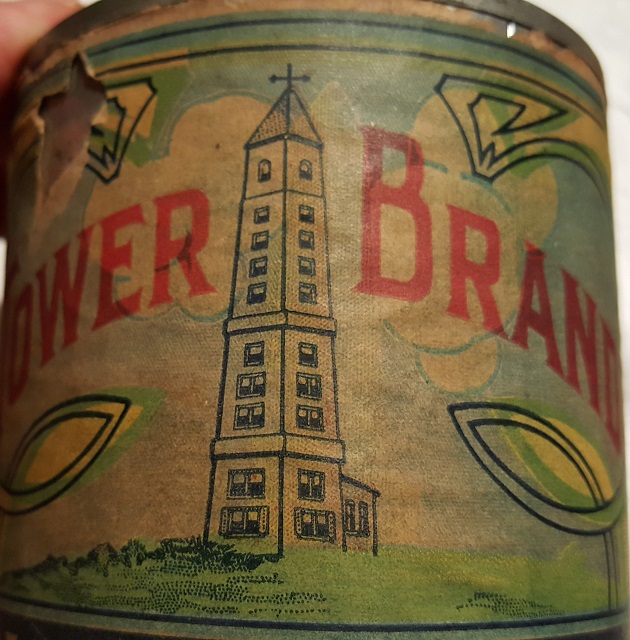
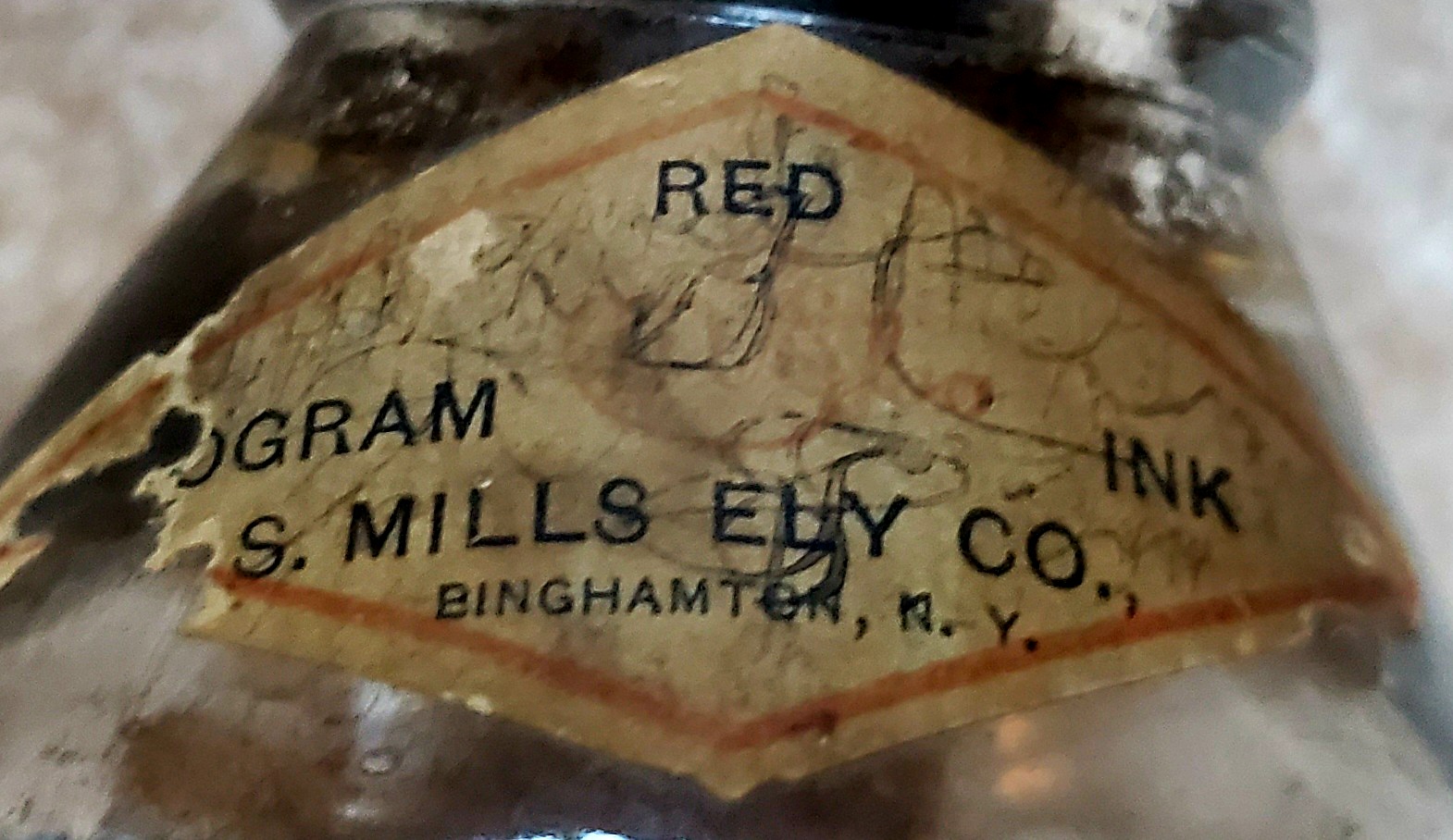
Tower Brand table syrup distributed by Mr. Ely features the Ely Tower!

Tower Brand table syrup distributed by Mr. Ely features the Ely Tower!

Always deeply interested in the highest development of the community in which he lived, Mr. Ely did not hesitate to devote time and energy, as well as financial aid to the furtherance of the public welfare. He rendered valuable service valuable service as a member of the Binghamton Board of Education, and was a member of the Binghamton Club.

His religious affiliation was with the First Presbyterian Church of Binghamton, in which he was an office holder for many years, continuing his service to the time of his death in Binghamton, May 5, 1909. More than fifty of his seventy-two years were spend in “good works” in the truest sense of the word. Consistent in all things, his business affairs, his church life, and his home and social life were lived in accordance with the same principles of uprightness, and he refused to sanction or engage in any business deal not in accordance with his religious convictions.


No greater benevolent and charitable work was ever carried on by a private individual in Binghamton, than was accomplished by Mr. Ely. The Fresh Air Movement and the Humane Society were the recipients of his most generous aid; the Presbyterian Church and the Young Men’s Christian Association found in him a friend that never failed.

Close up of the tower in the Tower Brand.

Close up of the tower in the Tower Brand.

In memory of his father and mother he gave a library building to Chester, Connecticut, and his summer home, located on Mount Prospect, Binghamton, he gave to the city as a public park, before his death, hoping that this donation would form the beginning of a complete park system.

In his will Mr. Ely remembered nearly every public charity in his city, and made the Presbyterian Church trustee of a fund for carrying on two benevolent enterprises, the care of the poor in Binghamton, and home missionary work among the foreign-born element of the city. Besides these bequests there were generous legacies to ten other organizations of the city, and perhaps one of the most important parts of his unusual will was the generosity with which he remembered his employees, and his recommendation that they take the value of their bequests in stock of the business which he had developed from a small beginning to a strong enterprise.

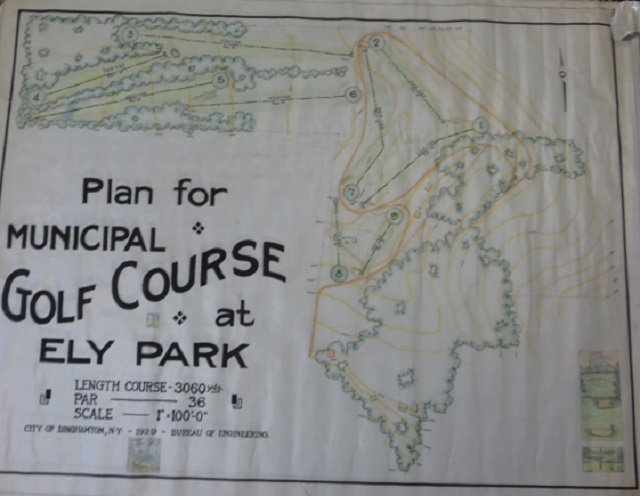
Original 1929 plan of the Ely Park 9-hole golf course that opened in 1933. Original routing was today's Nos. 8, 9, 10, 11, 17, 18, 1, 2, & 7!

Original 1929 plan of the Ely Park 9-hole golf course that opened in 1933. Original routing was today’s Nos. 8, 9, 10, 11, 17, 18, 1, 2, & 7!

Few have lived more worthy and helpful lives than that of Mr. Ely, and both his moral influence and his works are still living and growing in the city to which he gave so generously.

S. Mills Ely married, at Binghamton, New York, October 10, 1867, Mary Hart Hawley, of Binghamton, daughter of Elias and Adaline (Hawley) Hawley, and they were parents of two children: Richard Hawley Ely, who was born July 29, 1868 and died October 8, 1869. 2. Clara May Ely, who was born December 19, 1876, who, with John R. Clements, general manager of the S. Mills Ely Company, was one of the executors of Mr. Ely’s estate. She is a resident of Binghamton.

Gratitude and all credit to William Foote Seward, Editor-in-Chief and Librarian of the Binghamton Public Library for the three-volume series—Binghamton and Broome County, New York, A History—published and copyrighted in 1924 by Lewis Historical Publishing Company, Inc. New York and Chicago. Mr. S. Mills Ely is found in Volume III, Historical and Biographical on Page 30.